
Written by
🇬🇭 20 Things You Should Never Do in Ghana
Be humble, curious, and open to learning
If you make a cultural mistake, apologize politely and ask questions
Ghanaians are known for their hospitality — return it with respect and gratitude
20 Things I’ve Learned Not to Do in Ghana (From Years of Visiting)
After spending many years visiting Ghana — and falling deeply in love with its people, culture, and spirit — I’ve come to understand that being respectful and aware of local customs makes all the difference. Ghana is a country full of warmth, generosity, and tradition, but there are also unspoken rules that shape everyday life.
Some of these things I learned the hard way — others were gently explained to me by kind-hearted locals. Here’s what I’ve come to know, and what I’d recommend any first-time visitor take to heart:
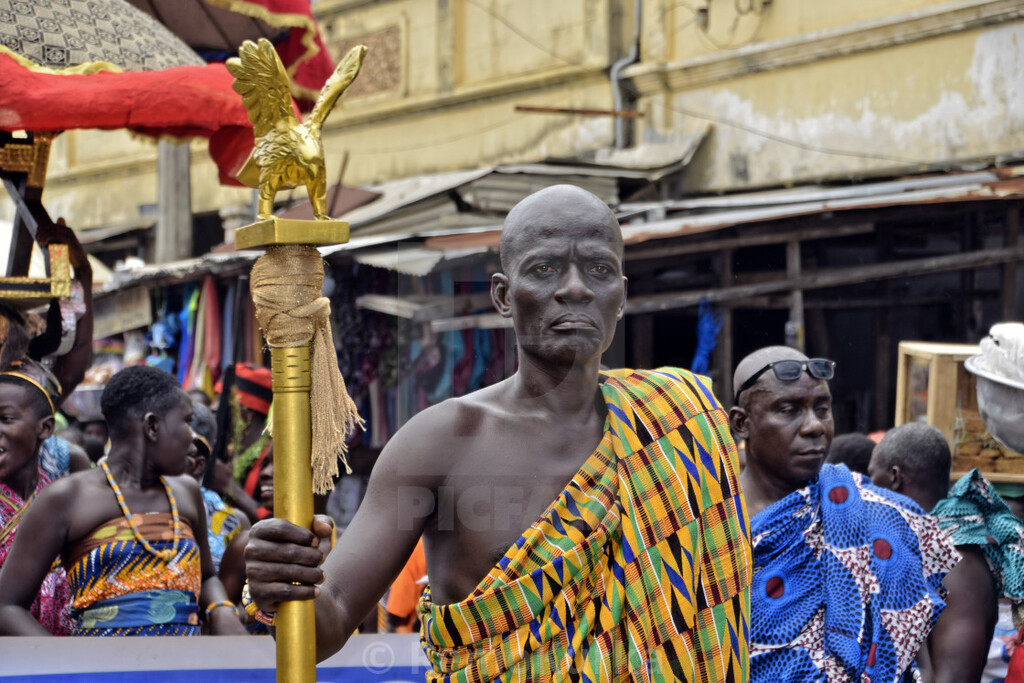
Ghanaian, locale couture and customs survived well into 2026! We want to respect this!
“ Nature is the art of God, where every leaf, every mountain, and every star sings His glory, revealing His infinite beauty and wisdom. ”
Something important
Ghana - Why the right hand is so important! (c) Remo Kurka
1. Never use your left hand to give, receive, or eat
This is one of the first things I learned — and one of the most important. In Ghana, the left hand is considered unclean, traditionally reserved for personal hygiene. Using it to hand over money or receive something — especially food — can offend without you even realizing it. These days, I’m extra mindful to always use my right hand when greeting, giving, or accepting anything.
2. Don’t forget to greet — always greet!
Ghanaians take greetings seriously — and I’ve come to love that. Whether you’re walking into a shop, passing someone on a path, or entering a family compound, a simple “Good morning” or “Etesen?” (How are you?) opens doors. It’s a sign of respect and acknowledgment. Skipping this step can come across as cold or rude.
3. Avoid wearing revealing clothing in traditional or religious settings
While Accra is quite cosmopolitan these days, once you step into rural areas, churches, or family gatherings, modesty matters. Short shorts, see-through outfits, or crop tops can feel out of place and may even offend elders. I now travel with a lightweight shawl or wrap just in case — it’s easy to throw over my shoulders when needed.
4. Don’t stand with your hands in your pockets or cross your legs around elders
I didn’t realize this at first, but body language really speaks volumes in Ghana. Standing with your hands in your pockets while talking to someone older or sitting with your legs crossed in front of a chief or elder can be seen as disrespectful. When in doubt, stand straight, smile warmly, and keep your hands free.
5. Never point at people
It may seem innocent, but pointing at someone — especially with your index finger — is considered rude. I’ve found that using my whole hand or simply nodding in their direction is much more respectful and gets the same message across.
6. Don’t take photos without asking first
I love photographing daily life in Ghana — it’s so vibrant! But I’ve learned to always ask permission first, especially in villages or at ceremonies. In some places, photos are a sensitive issue. Some people simply don’t want to be captured, and that’s something I’ve learned to honor.
7. Go easy on public displays of affection
This one surprised me at first. While holding hands is generally okay, kissing or hugging intimately in public is frowned upon, especially in more traditional communities. Now, I keep things simple in public, especially out of respect for elders or children nearby.
8. Don’t be loud or use aggressive language
Ghanaians are incredibly polite and soft-spoken, and they value calm, respectful conversation. I’ve noticed that raising your voice, swearing, or using overly blunt language can make people uncomfortable — even if you're just joking. Speaking gently gets you much further.
9. Avoid flaunting wealth
Whether it’s wearing flashy jewelry or pulling out the latest iPhone in a crowded market, showing off wealth can be seen as boastful or inconsiderate — and may make you a target for theft. Ghanaians value humility, and I’ve learned to keep things simple and secure, especially when out and about.
10. Don’t let “Ghana Time” frustrate you
Things don’t always run on a strict schedule here. I’ve learned to embrace "Ghana Time” — where meetings start late, and plans are flexible. What once annoyed me now feels like a breath of fresh air. Life unfolds at its own pace — and often, that pace is just right.
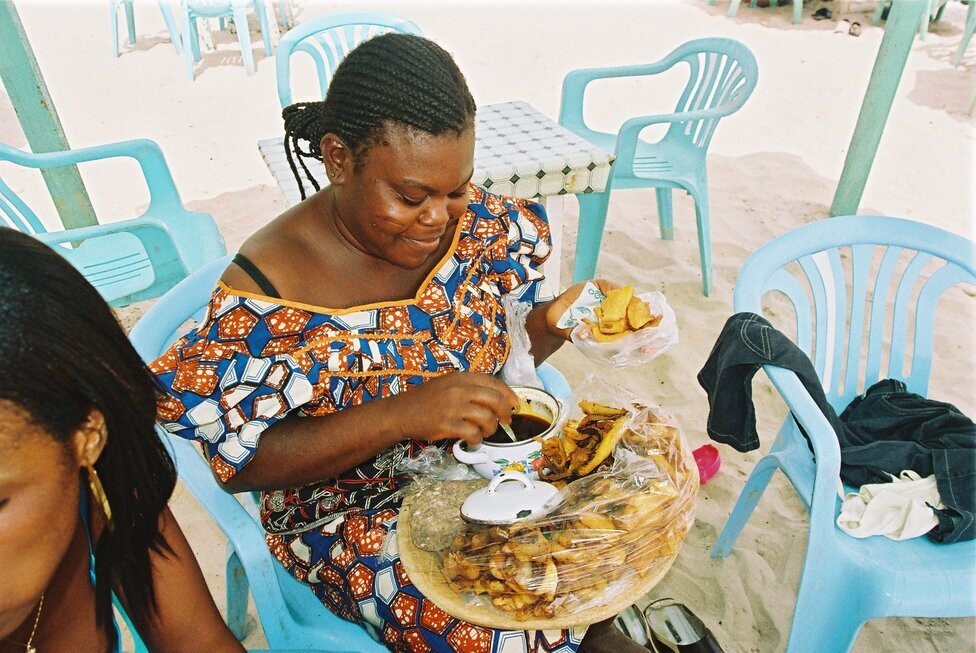
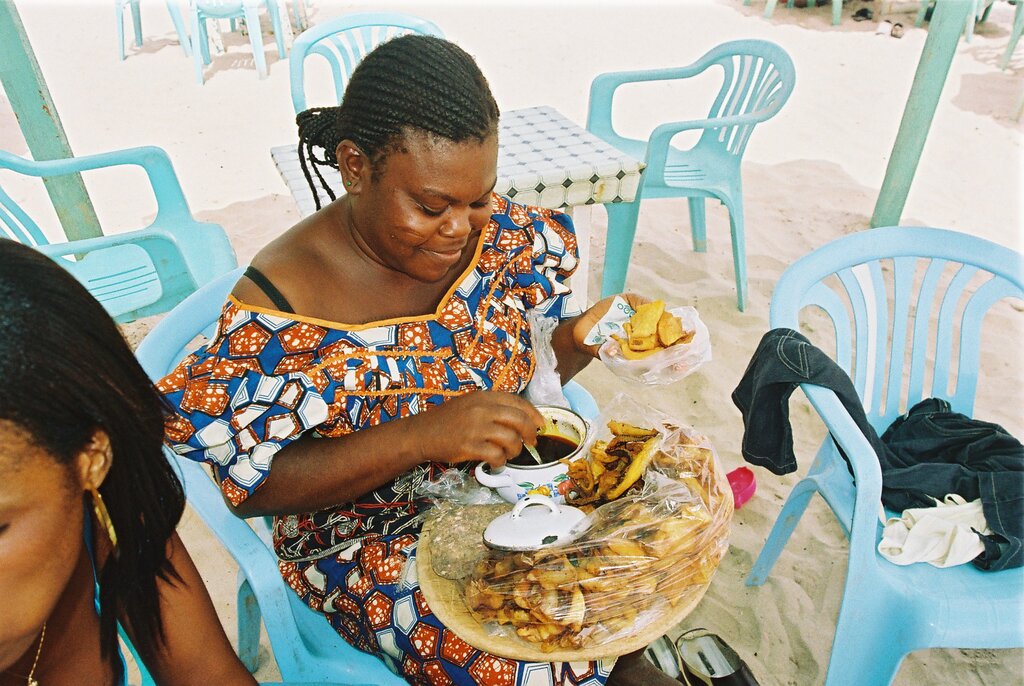
Delicious sea food. Just make sure, it is really freshly prepared.(c) Remo Kurka
11. Be careful with water and street food
This isn’t about fear — it’s about caution. I drink bottled or filtered water and avoid ice unless I know where it came from. As for food, I do enjoy street food, but I stick to busy spots with high turnover and trust my gut. My stomach thanks me.
12. Stay alert in crowded places
Ghana feels incredibly safe to me, but in busy markets or trotro stations, you need to stay aware. I’ve had friends lose phones to quick hands. Now, I keep my valuables close, bags zipped, and eyes open — especially when traveling alone.
13. Don’t shy away from trying the language
Even though English is spoken widely, nothing breaks the ice like trying a few words in Twi, Ewe, or Ga. When I say “Medaase” (Thank you) or “Akwaaba” (Welcome), Bibini (Black), Obruni (White). When at Bolgatanga (FraFra area), White means Solomia. La-Oh-Ane (How are you, and La-Anan-Soo means I am fine. I see faces light up. It shows respect and effort — and builds real connection.
14. Be cautious with political or religious conversations
Politics and religion can be deeply personal and highly sensitive topics here. I’ve learned to listen more than I speak in these discussions, especially with people I’ve just met. Curiosity is fine — but respect is essential.
15. Don’t rely solely on your credit or debit card
Many shops, especially outside major cities, only accept cash. I always carry some Ghanaian cedis with me, and I’ve grown fond of using mobile money services like MTN MoMo — quick, safe, and surprisingly widespread. I use REMITLY to send money to MTN mobile money, easy! With an MTN number, you can make very low cost calls to Germany, and reasonable calls back to UK.
16. Don’t act casually in sacred or religious spaces
Whether it's a mosque, church, or shrine, these are places of deep reverence. I remove my shoes when needed, cover up, and lower my voice. I’ve even been part of traditional ceremonies — the respect I showed was always met with warmth.
17. Don’t smoke or drink excessively in public
Ghana isn’t a place for rowdy behavior. Public drunkenness or smoking in crowded areas is generally frowned upon. (You may smoke, just not so public). When I do enjoy a drink, it’s with friends, at a local spot — never to excess, and always with respect for the atmosphere.
18. Stay out of restricted zones
You’ll see signs for military or government buildings, and it’s best not to take photos or loiter there. Even traditional palaces may have sacred spaces you can’t enter without permission. When in doubt, ask — people are happy to explain.
19. Don’t underestimate the roads or traffic
Driving or getting around can be an adventure. Accra traffic is legendary, and some rural roads turn into rivers during the rainy season. I’ve learned to always leave early and travel with flexibility (and sometimes, a good sense of humor). Usually, vehicles wont stop, just for you. Keep this in your mind!
20. Never disrespect elders or chiefs
Respect for age, wisdom, and tradition is woven into the fabric of Ghanaian society. I stand to greet elders, speak calmly, and listen when community leaders speak. These small gestures mean everything here — and are always returned with kindness.
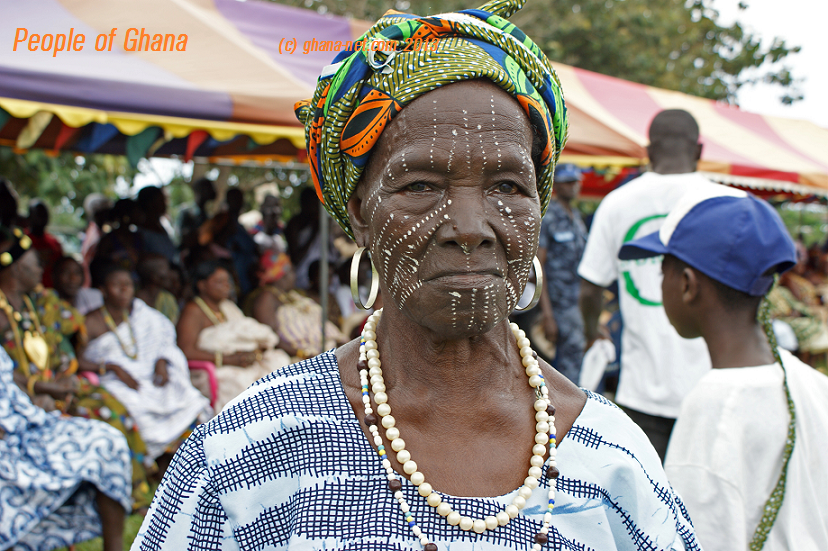
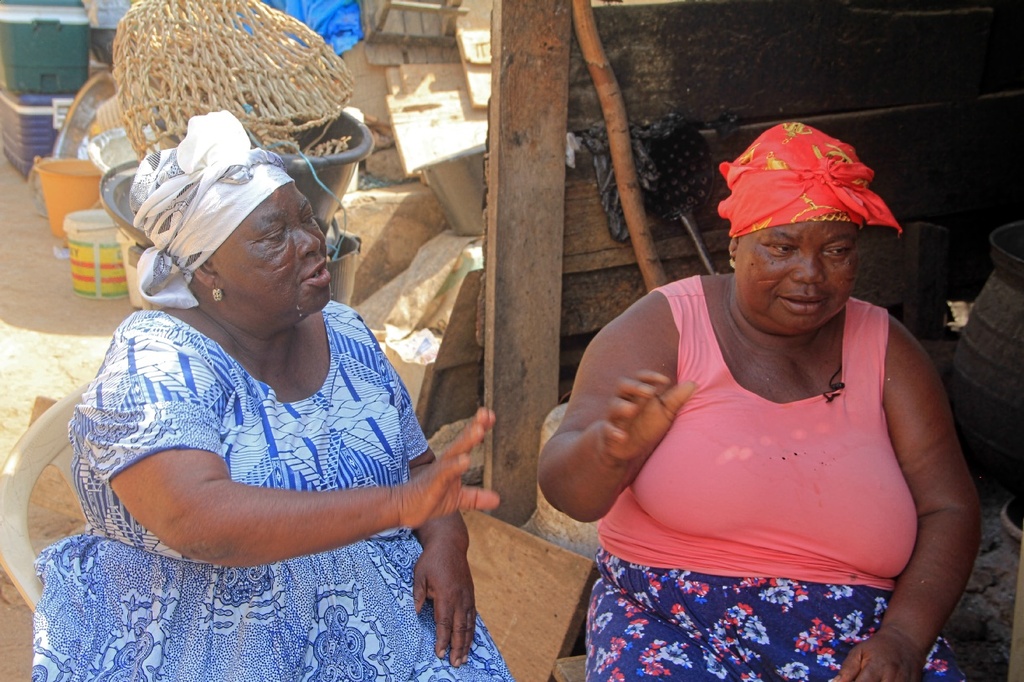
This lady was about 100 years old, at the *Kwame Nkrumah centenary celebrations, 2009 (*first president of Ghana)
What Ghana Has Taught Me
Spending time in Ghana — over the years, not just days — has taught me more than I ever expected. I've learned that patience isn't just a virtue here, it's a way of life. That kindness isn’t reserved for friends — it’s extended generously to strangers. That community is everything. And above all, I’ve learned that true beauty lies in respect: for elders, for tradition, for land, and for one another.
At first, some customs may seem unfamiliar, even surprising — especially if you’re coming from a fast-paced, individualistic society. But give it time. Once you begin to understand and embrace the culture, you’ll find these traditions don’t restrict you — they enrich you. They invite you to slow down, to listen, and to connect on a deeper level with people and place.
One thing I’ve come to truly appreciate is how diverse Ghana is — not just geographically, but culturally. The country isn’t one uniform way of life. The Asante people of the forest regions have rich traditions of chieftaincy, ceremony, and formal social structure, with their own protocols and proverbs deeply woven into daily life. In contrast, the Frafra people of the north have their own customs, beliefs, and ways of showing respect — often shaped by community bonds and spiritual practices that feel quite distinct. And on the coast, the Fante and Ga peoples carry their own proud heritage — from naming traditions to festivals like Homowo and Oguaa Fetu Afahye — each with unique rhythms, language, and identity.
What’s considered respectful in one part of Ghana might be different in another — and that’s part of what makes this country so fascinating. It's not just about following rules — it’s about tuning in to the people around you, asking questions, observing gently, and adjusting with humility and grace. Ghanaians notice when you try, and they truly appreciate it.
So, if you're visiting Ghana for the first time — or even returning after a long time away — come with an open heart, a willing spirit, and a deep respect for the cultures you’ll encounter. This is a place where hospitality is more than a word — it's a way of being. You won’t just be received — you’ll be embraced. You’ll be fed, laughed with, guided, and welcomed.
Akwaaba — welcome home. Not just to Ghana, but to something bigger: a shared sense of humanity that transcends borders, and a deeper understanding of yourself through the culture of others.
Find below a selection of 3 great tours about their Fantasy Coffins, in case you like to visit Ghana.

