
Written by
Berlin Through My Lens: A City Etched in Memory
Berlin is a city that never forgets. Its walls speak, its streets remember, and its silence—especially in the early morning—feels like a whisper from history. As a photographer, I’ve spent decades capturing fragments of this memory. What follows is not just a timeline, but a personal journey through Berlin’s past, told through 19 photographs—15 of them my own, 4 carefully collected. And there are so many more to show...
1945: Scars in Stone
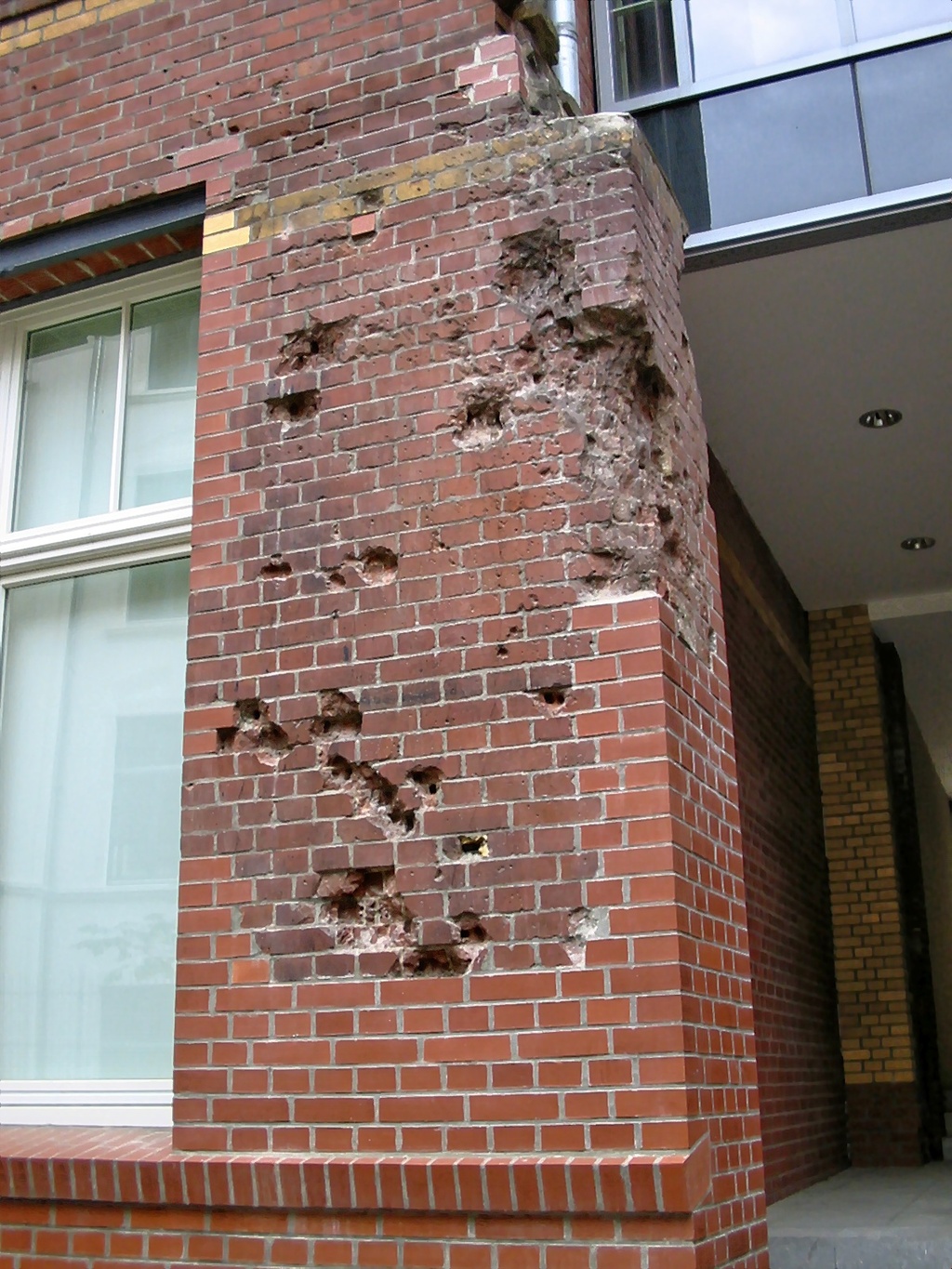
The journey begins with the visible scars of war. In quiet corners of Berlin, house walls still bear the pockmarks of 1945—bullet holes, shrapnel wounds, fractured facades. These aren’t just architectural details; they are silent memorials. I’ve photographed them in moments when even the silence feels sacred. These walls remind me that history isn’t always written—it’s carved.
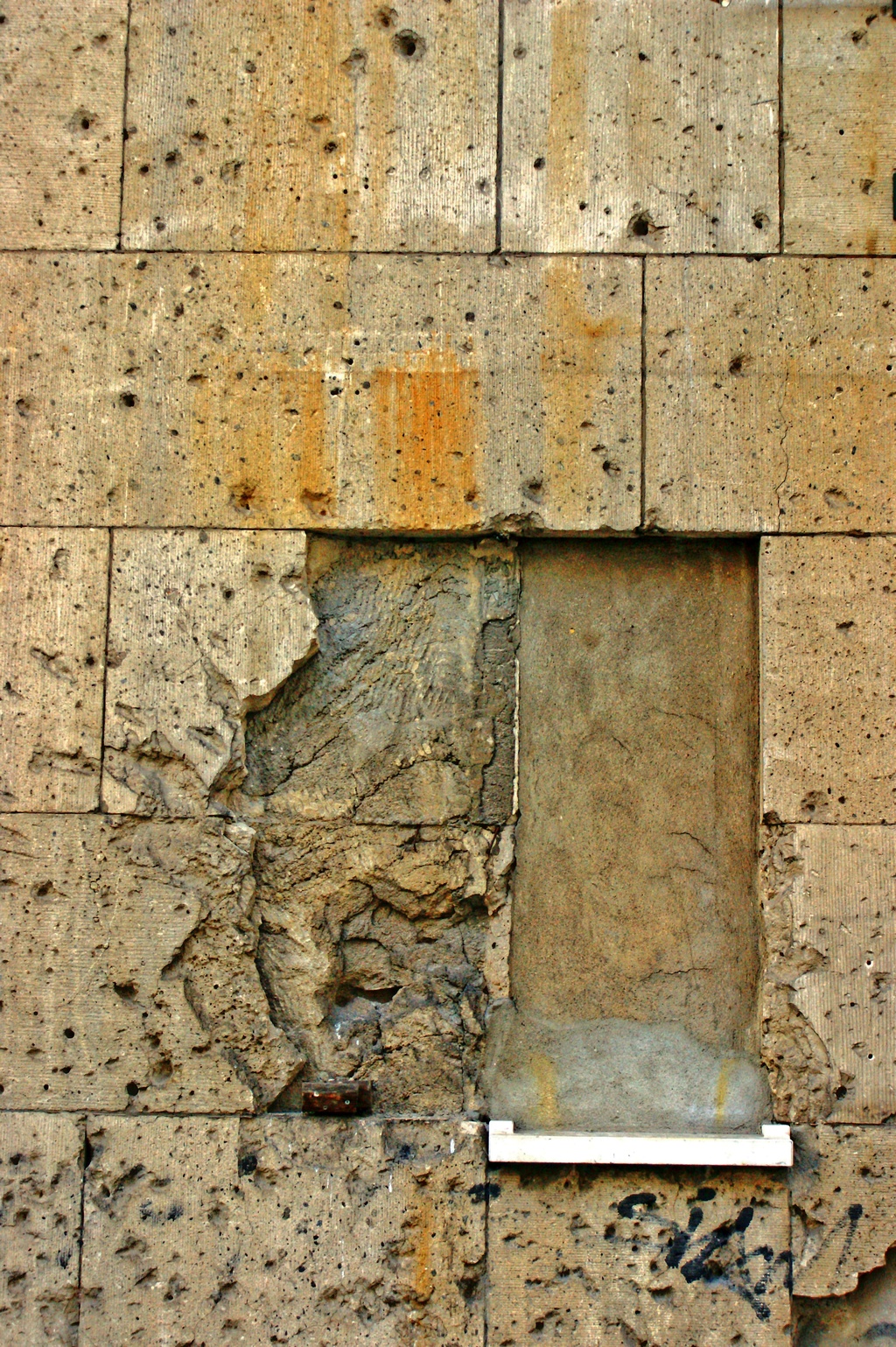
“Cities are built with stones, but Berlin was rebuilt with memories.” — Anonymous
1961: A City Divided
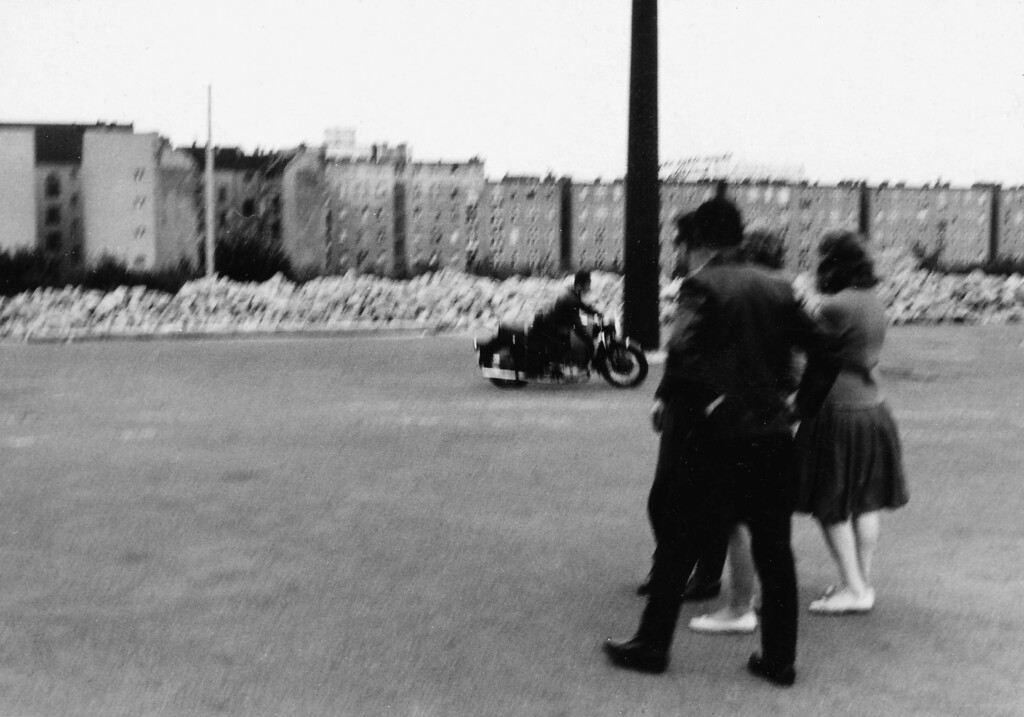
Jumping forward to 1961, one of my collected black-and-white photos from Bernauer Strasse captures the moment the city was cleaved in two. Two East German soldiers—one on a motorbike—stand watch. Two women gaze across the border toward West Berlin, witnessing the birth of a wall. The tension is palpable. The photo is grainy, imperfect—but so was the moment.
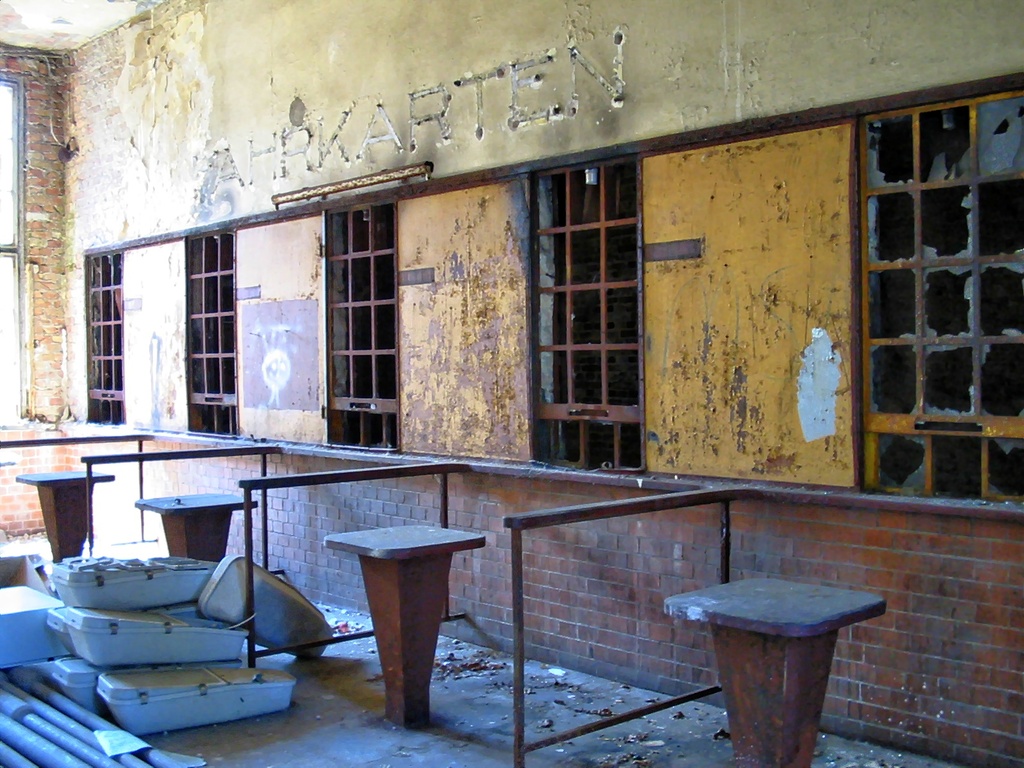
Another steep reminder of August 1961 lies inside an old S-Bahn station at Berlin Wedding. My photo shows the ticket windows, now abandoned. That station is gone. But this image remains—a memory etched in glass and stone.
1966: Parade of Power
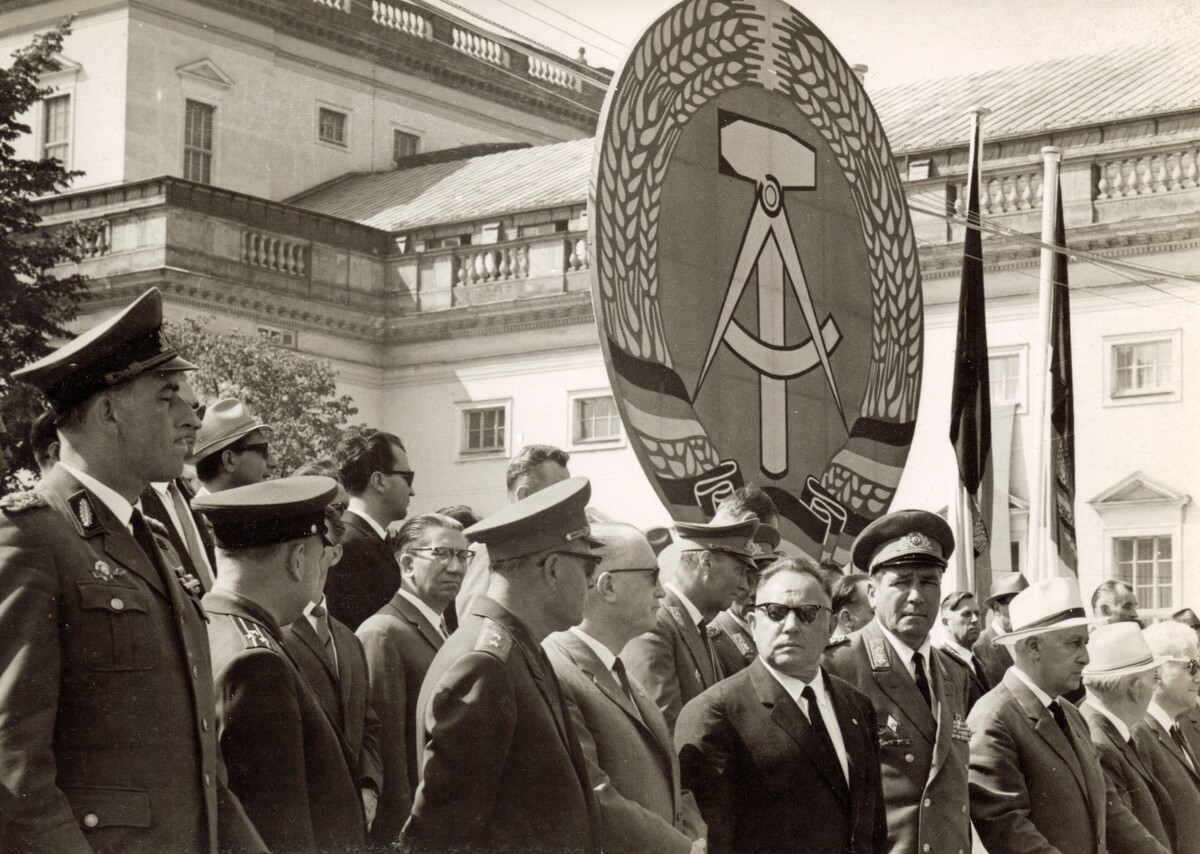
In 1966, East Berlin staged a military parade to celebrate the Wall’s construction. One of my collected photos shows government leaders standing proudly at Unter den Linden, flanked by followers and a sea of spectators. The Kampfgruppen march through the famous boulevard, a choreography of power. I remember staring at these photos for hours, trying to read the expressions—stoic, proud, perhaps uneasy. The crowd watches, some with awe, others with resignation. These are the only photos I’ve added from that day.
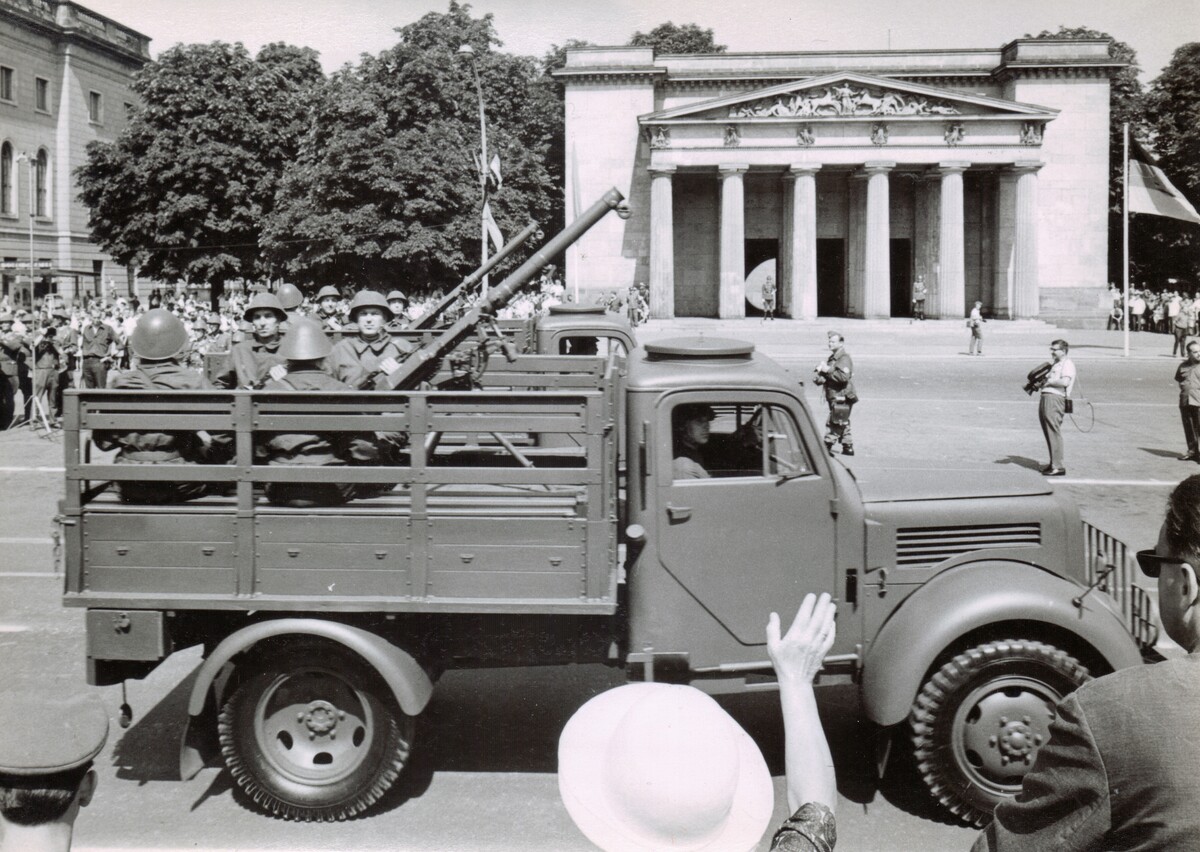
Unfortunately, this time witness doesn't exist
The Wall: A Cold Monument
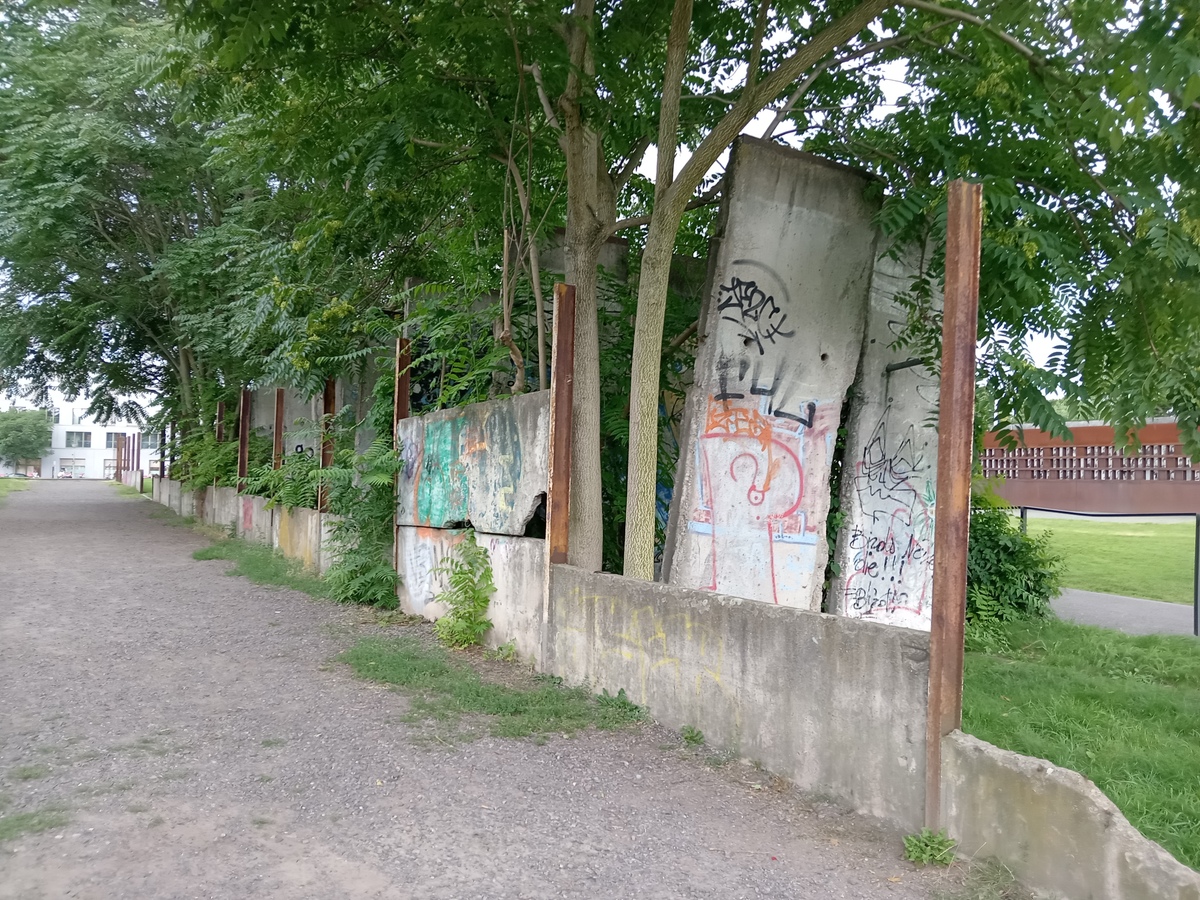
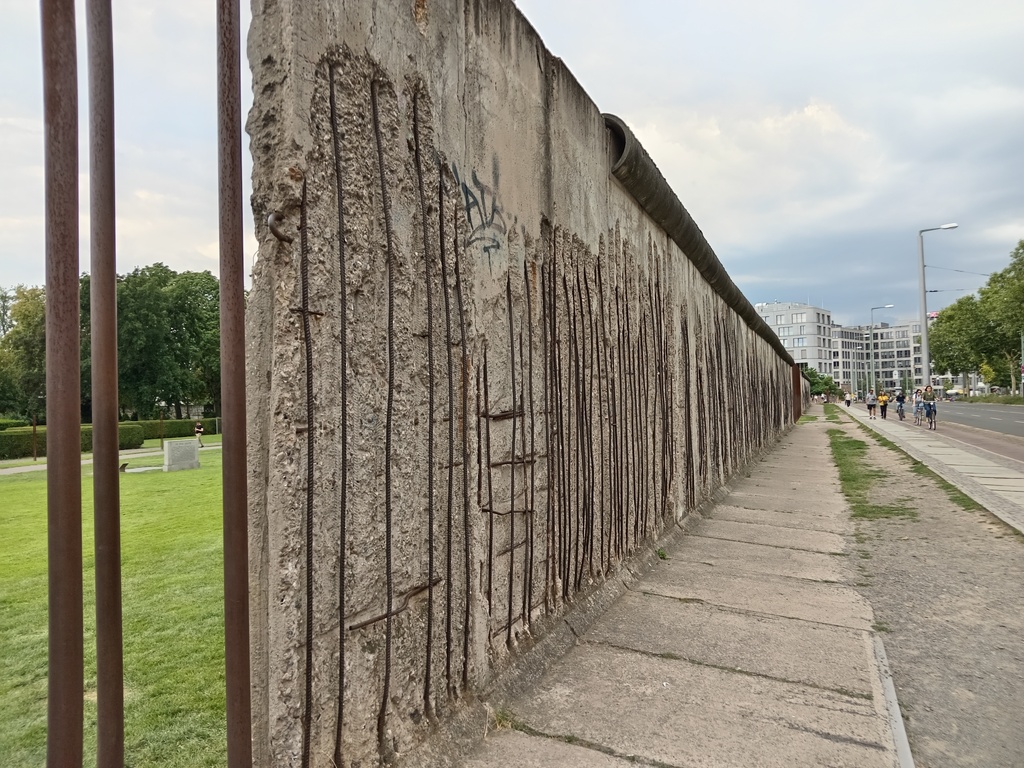
My Berlin Wall photos—some collected, most my own—are studies in contrast. Graffiti on one side, gray silence on the other. The Wall was more than concrete; it was a psychological border. I’ve photographed it as it stands now, especially at Bernauer Strasse. Each image carries a weight—a tension between permanence and fragility.
East Germany: Echoes of Routine
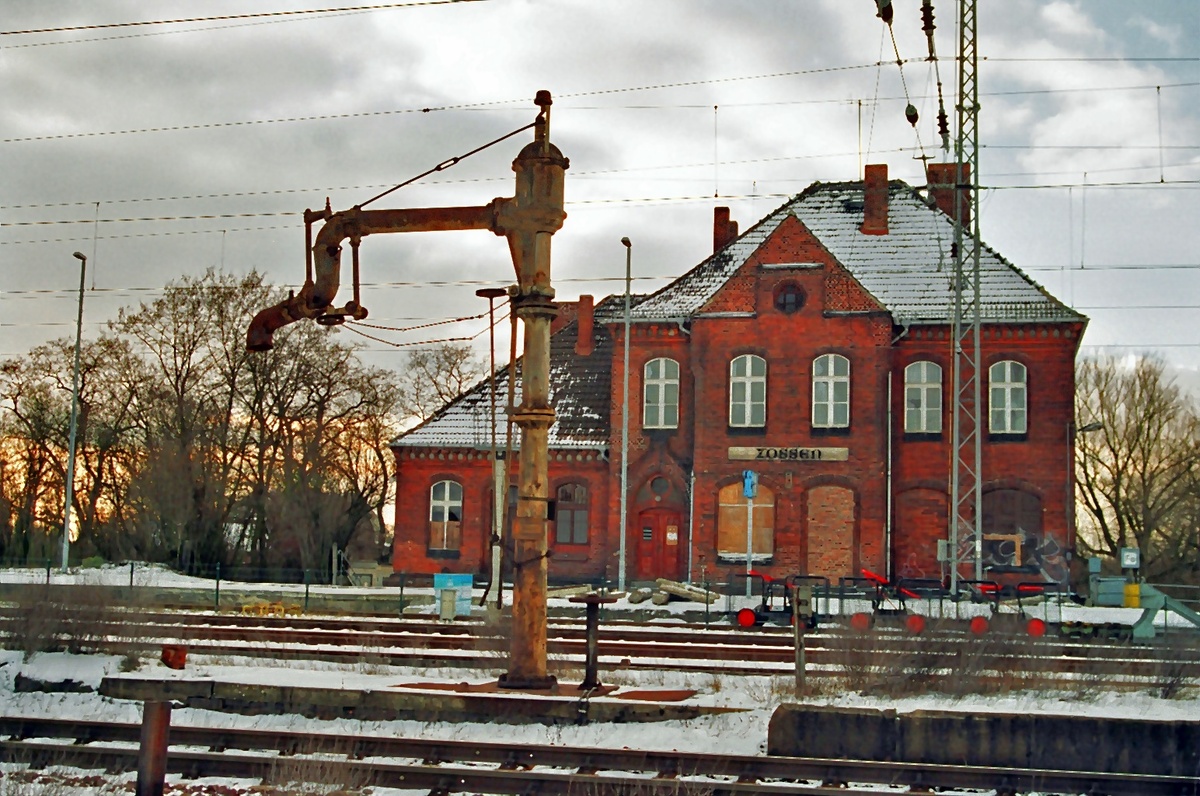
Outside Berlin, the train station at Zossen offered a glimpse into East German life. My photo shows a faded water supply tower for steam engines, with the old observation house in the background—once used to manage rail traffic. It’s quiet there now. Especially since the last Russian occupation forces left East Germany in 1994. Zossen was one of their main headquarters. The scene is mundane, yet haunting. Daily life continued—even under surveillance, even within constraint. (Photo within above gallery)
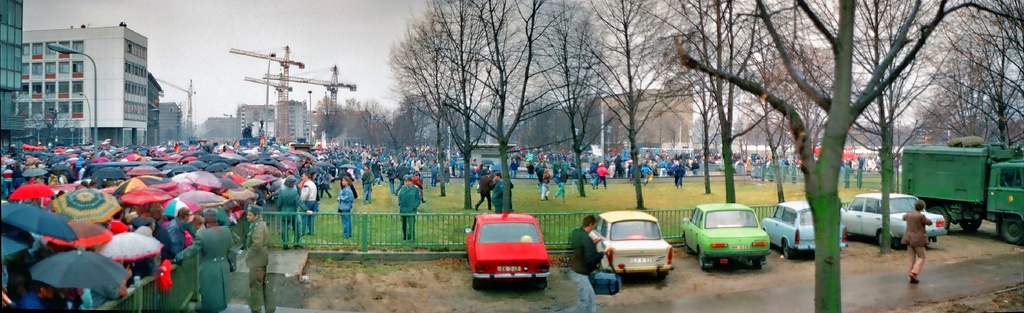
Unique perspective - Berlin Fall of The Wall, Opening of Brandenburg Gate, 22th December 1989 (c) Remo Kurka
Berlin - Opening of the Brandenburg Gate! And YES, I have been there!This photo is a composite of 4 photos, I shot this day!
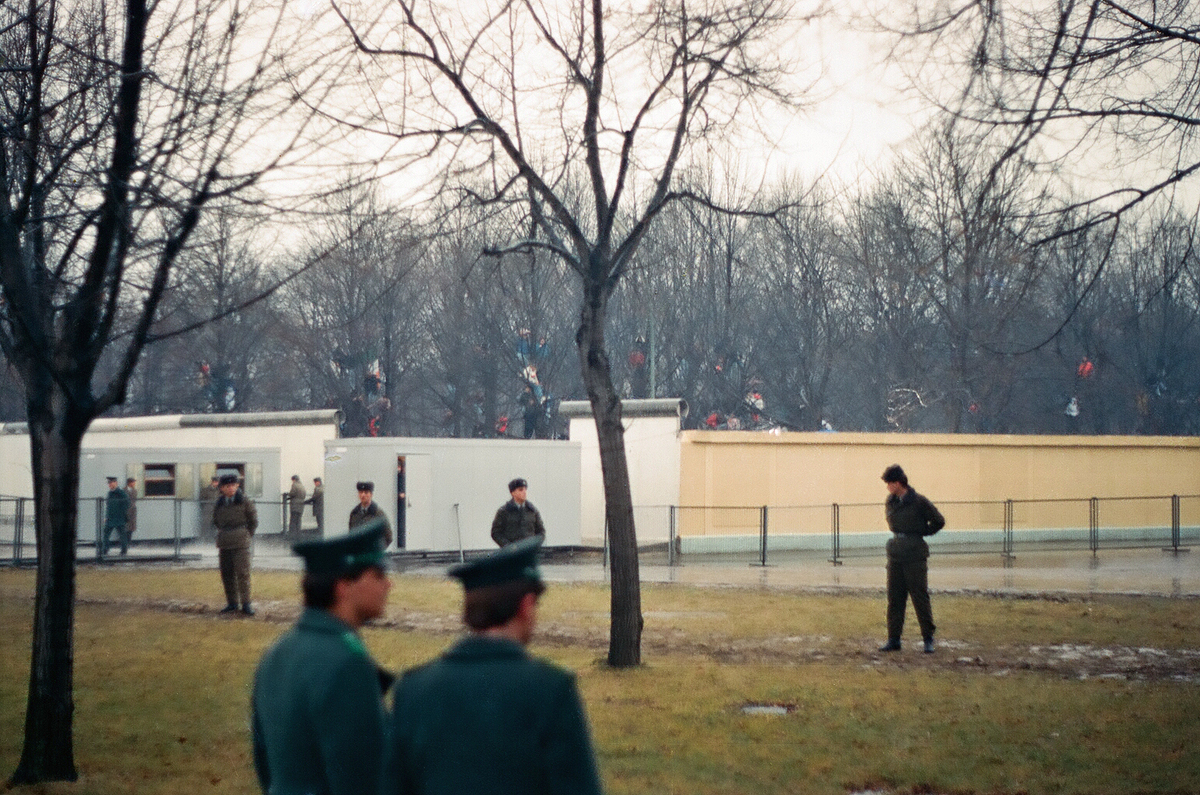
The fall of the Berlin Wall in 1989 was a moment I couldn’t miss. My photos from those days are raw—tears, disbelief, joy. People climbed, danced, embraced. The Wall that once divided now became a stage for unity. I remember the sound of chisels, of cheers, of history being rewritten in real time.
🇺🇸 Tempelhof: American Footprints
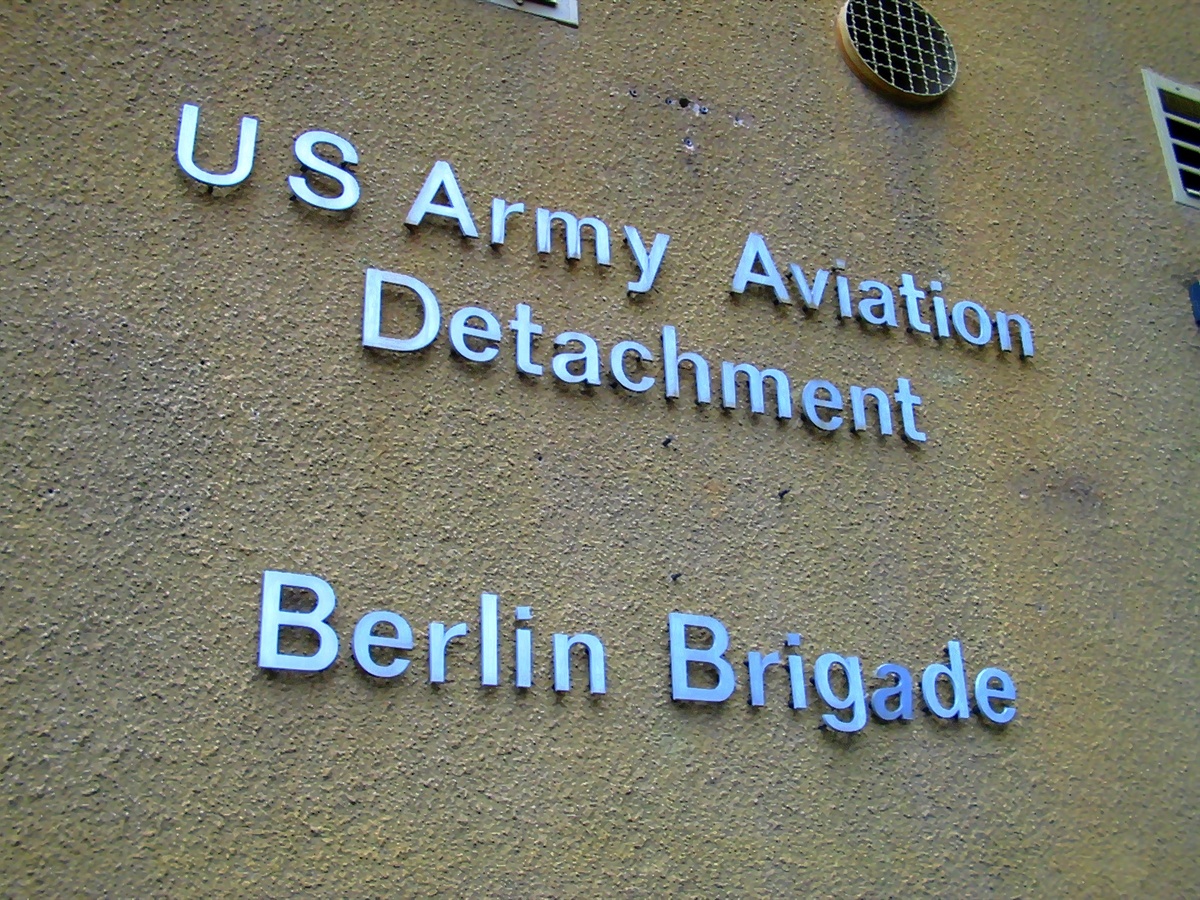
At Berlin Tempelhof, I captured a fixed wall writing of the United States Berlin Brigade—a bold reminder of Western presence. Nearby, a late 1940s green US Army barrack still stood, weathered but proud.
These images speak of alliances, of occupation, of a city that was once the epicenter of global tension.
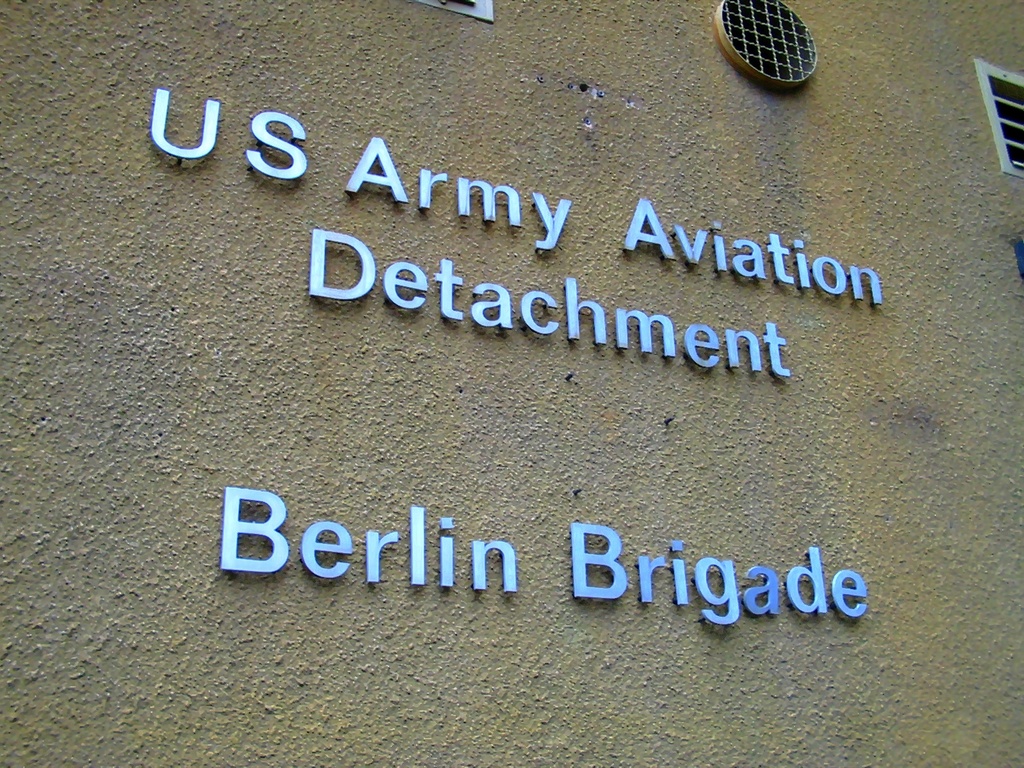
Berlin Brigade of US Army. A cold war and occupation reminder. Long gone now. Maybe into a museum? (c) Remo Kurk
1990s East Berlin: Life After the Fall of The Wall
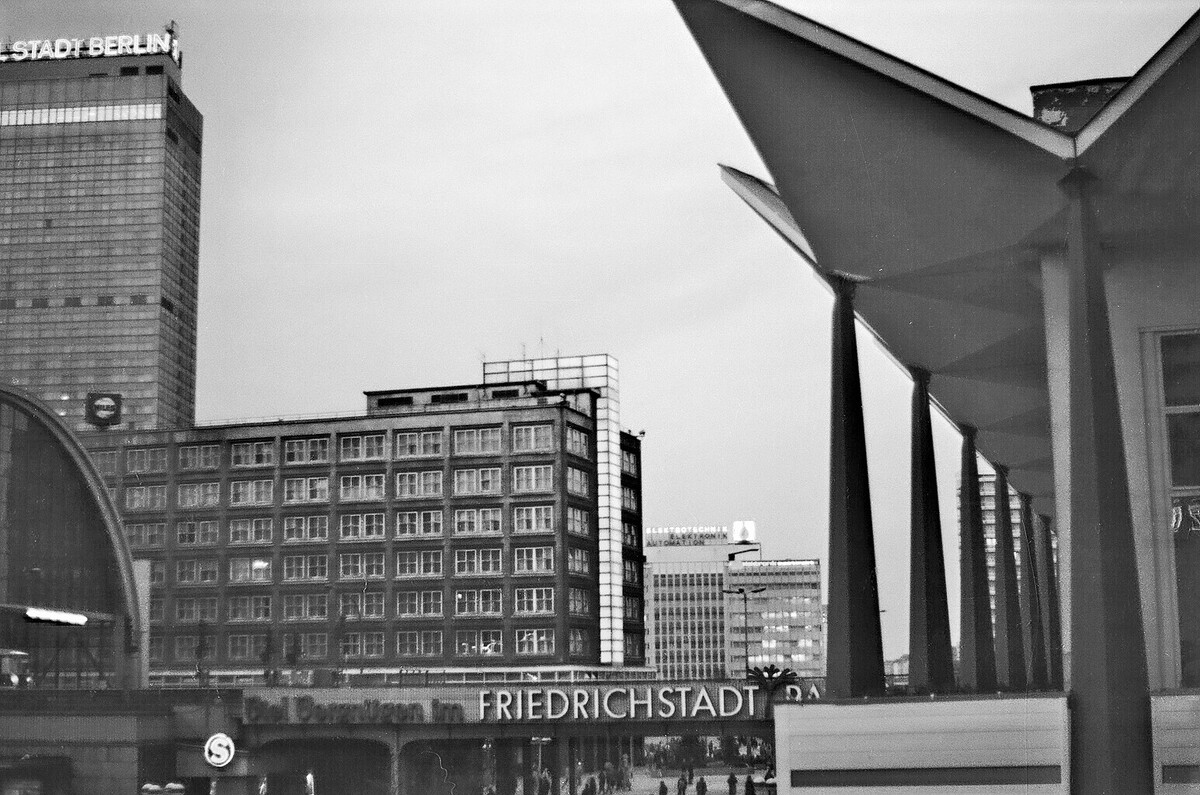
In the 1990s, East Berlin was a city in flux. My photos show Trabant cars parked beside crumbling buildings, an old East German bicycle leaned against a uniquely East German-designed lamp pillar. There was a strange beauty in the decay—a sense of rebirth. The city was learning to breathe again.
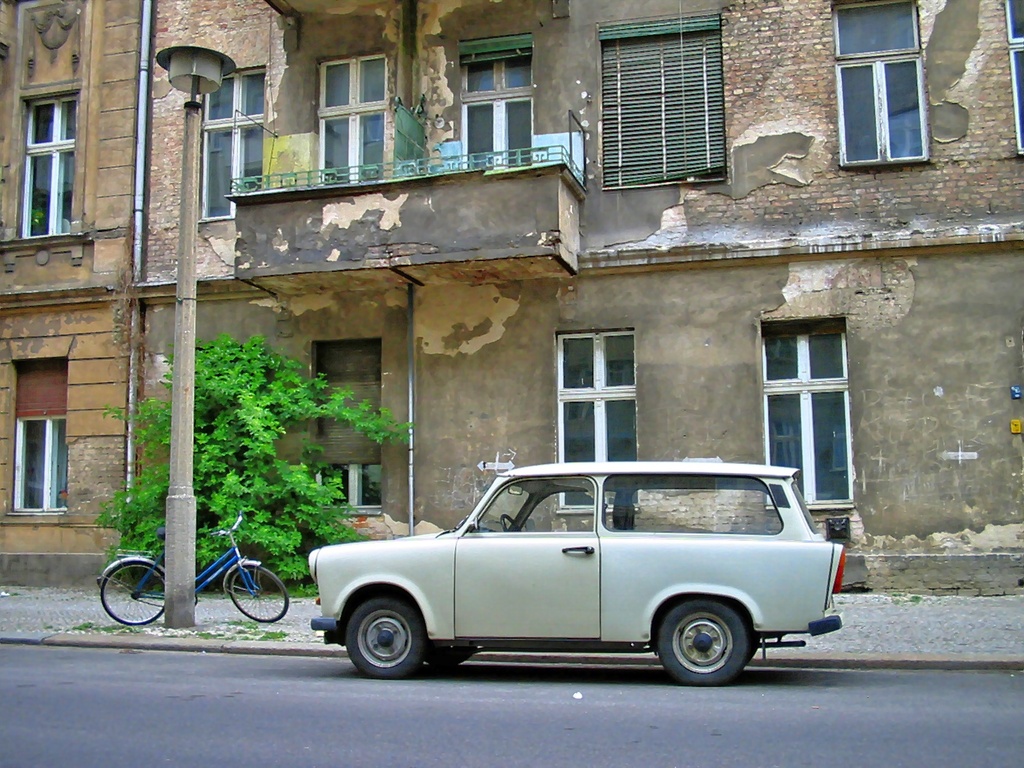
Trabant car, Berlin, old house and typical East German street light, by Remo Kurrka 1990
Demolition and Memory
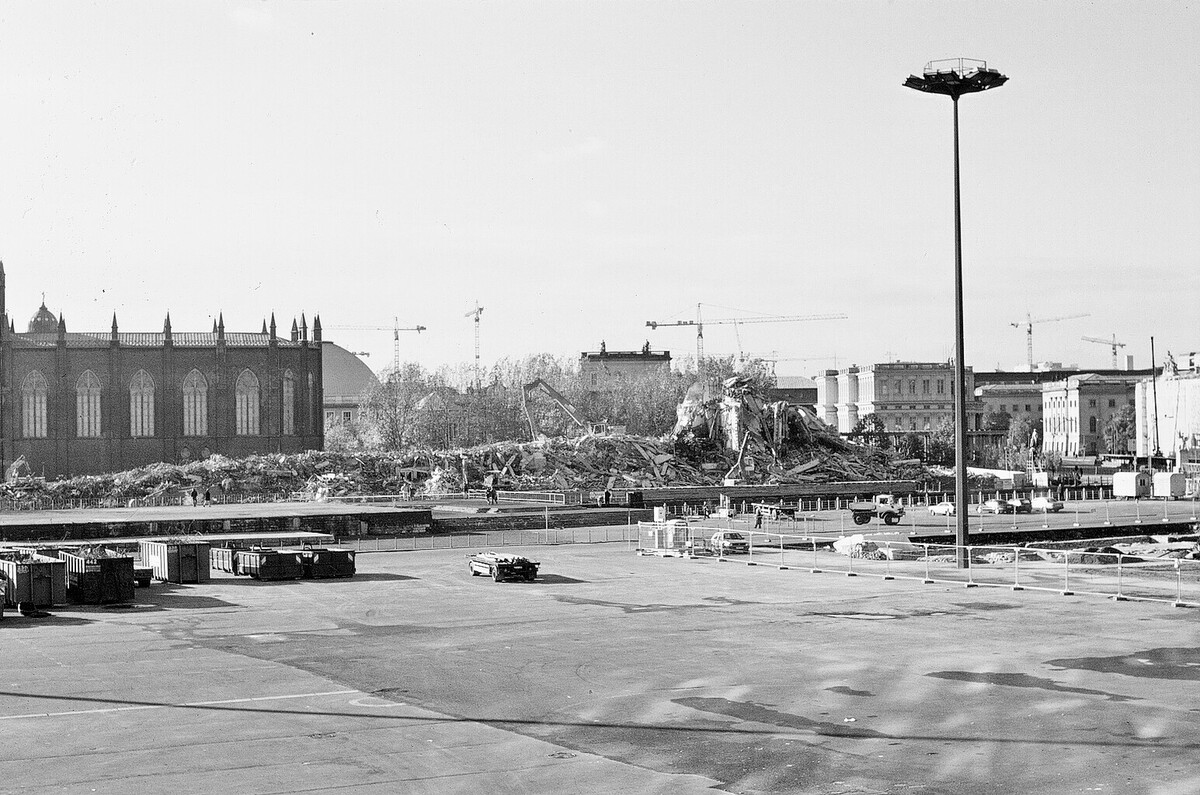
One of my photos documents the demolition of the East German Foreign Ministry in the early 1990s. Dust clouds rise as the building falls—a metaphor for the end of an era. And yet, memory persists. The last photo in my collection is of the remains of the Berlin Wall at Bernauer Strasse. It stands not as a barrier, but as a reminder.
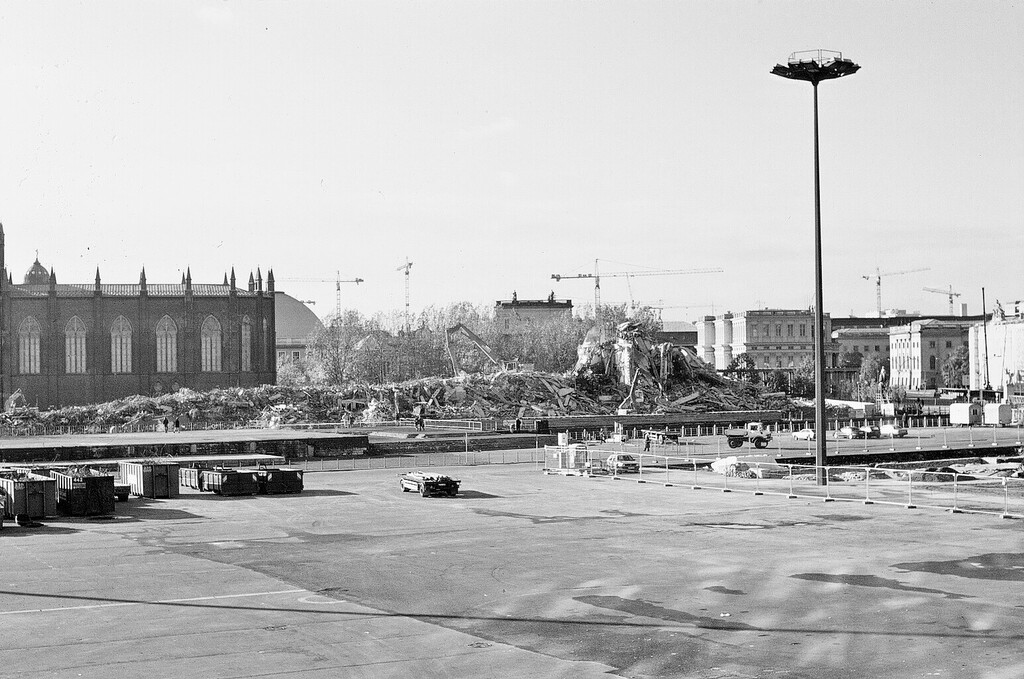
The demolition of the former East German Foreign Ministry. A building no longer needed, swept away with the tide of history. Today, plans are underway to reconstruct structures lost in the bombings of World War II—an effort to restore what once was, where ideology once stood.
Private Berlin WWII and Cold War History Tour with Local Expert Guide
My Reflections
Berlin is a city of layers. Through my lens, I’ve tried to peel them back—not to expose, but to understand. These photos are not just images; they are echoes. They speak of war, division, resilience, and renewal. And as long as the walls still whisper, I’ll keep listening.

