
Written by
Dresden: A City Rebuilt by Hand – The Frauenkirche, the Fallen Bridge and the Fortress Below
Germany · Saxony · Travel notes
Dresden: A City Rebuilt by Hand
The Frauenkirche, the fallen bridge, the numbers of 1945, and the fortress below
It was Sunday morning, around eight. Mist over the Elbe. And from everywhere at once, church bells.
I stood on the tenth floor of my hotel above the river and just listened. Not one bell. Many. From towers I could see, and from towers I could not.
Dresden was waking up the way it has woken up for centuries. As if nothing had ever happened.
But everything happened here.
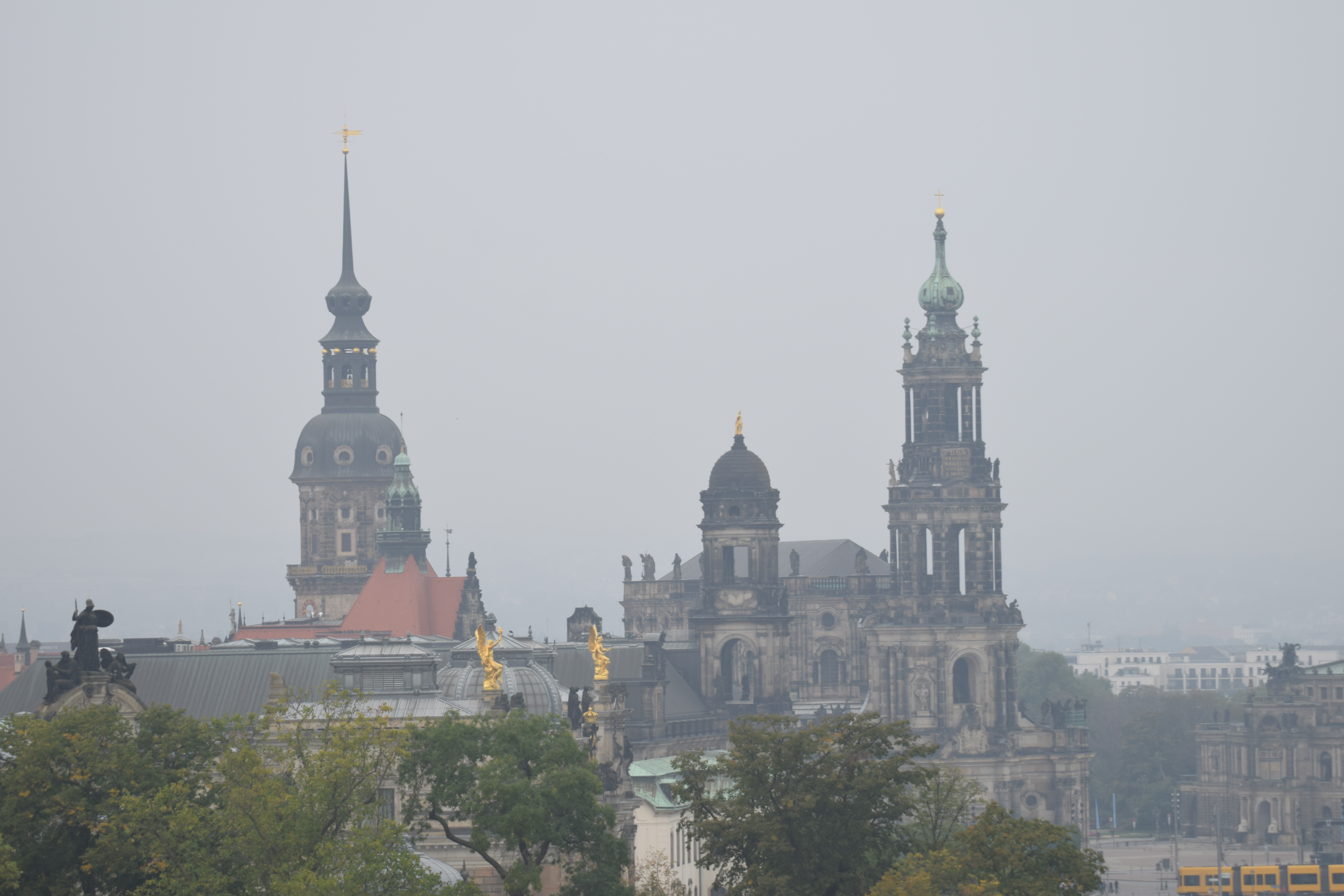
A word about my photos: I left them all unedited. No brightening, no filters. This is the real light of that day, which was not very bright. Dresden does not need make-up.
Getting there – Three changes, one ticket
From Berlin to Dresden on the Deutschlandticket, you change regional trains three times. It is slow. It is cheap. And you see the country between the cities, which the fast trains never show you.
The way back was an adventure of its own:
Dresden-Neustadt → Regional Express → one change → Cottbus → Berlin-Schöneweide → S-Bahn → Ostbahnhof
A long journey, yes. But interesting. And I arrived in time, before the supermarkets closed at ten at night. Sometimes that is the only deadline that matters.
The Deutschlandticket costs 63 euros a month in 2026. For that, you can cross half the country on regional trains, as often as you like. I keep saying it: this is one of the best things Germany has ever done.
A city of churches – Seen from the tenth floor
From my window, Dresden looked like an old painting. Towers, domes, roofs, and the river in front of them, all softened by the morning mist.
The Frauenkirche – From rubble to cross
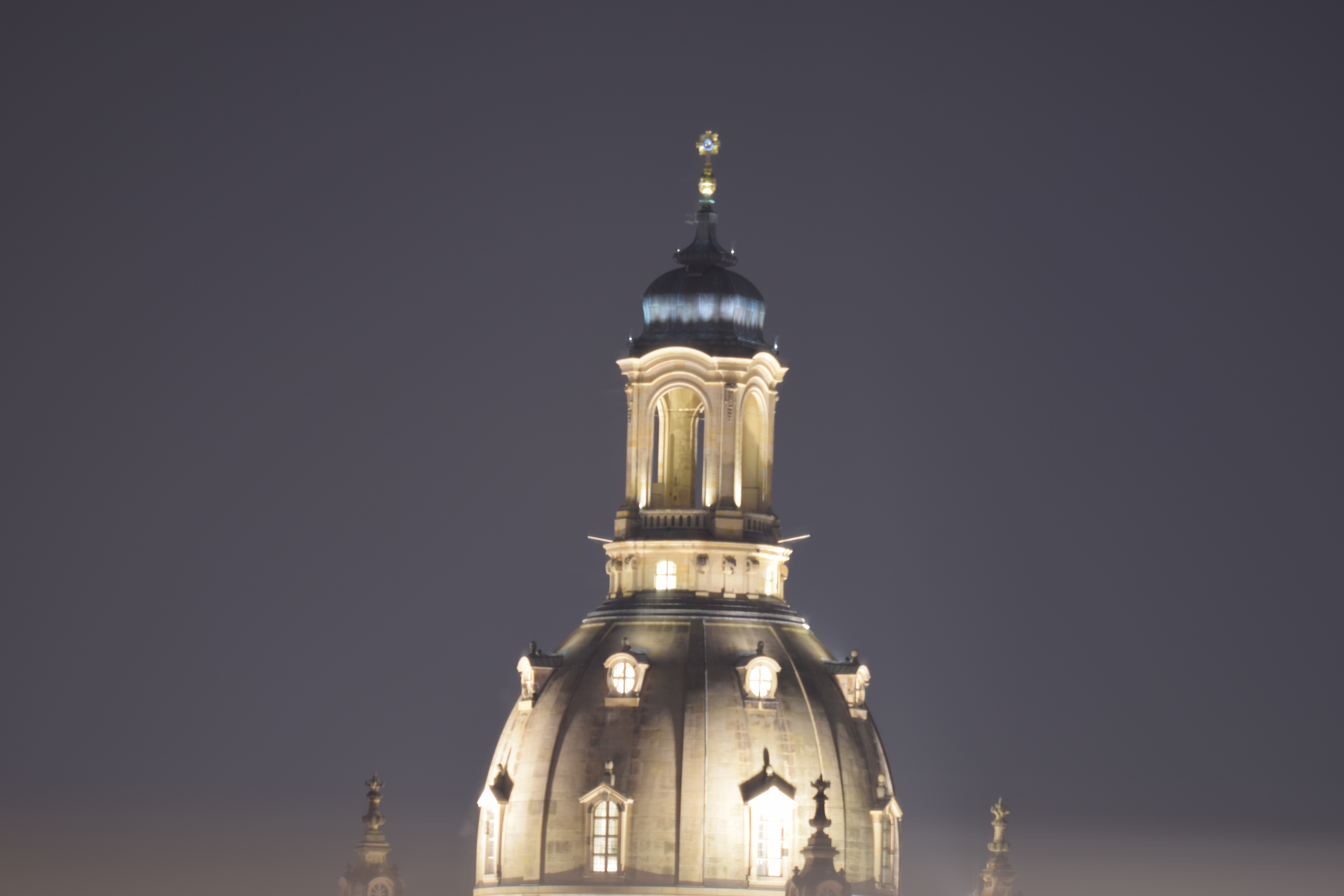
In February 1945, Dresden burned. The Frauenkirche survived the night, then collapsed. For almost fifty years, its ruin lay in the middle of the city, a black heap of stone. In GDR times it was left as it was: a memorial, and a warning.
After reunification, Dresden decided to rebuild it. Stone by stone. Wherever possible, with the original stones, numbered, measured, put back in their old places. The church was consecrated again in 2005.
Look closely at the walls and you will see it: dark stones among the light ones. The dark ones are the old ones, the survivors. The light ones are new. Together, they make the church.
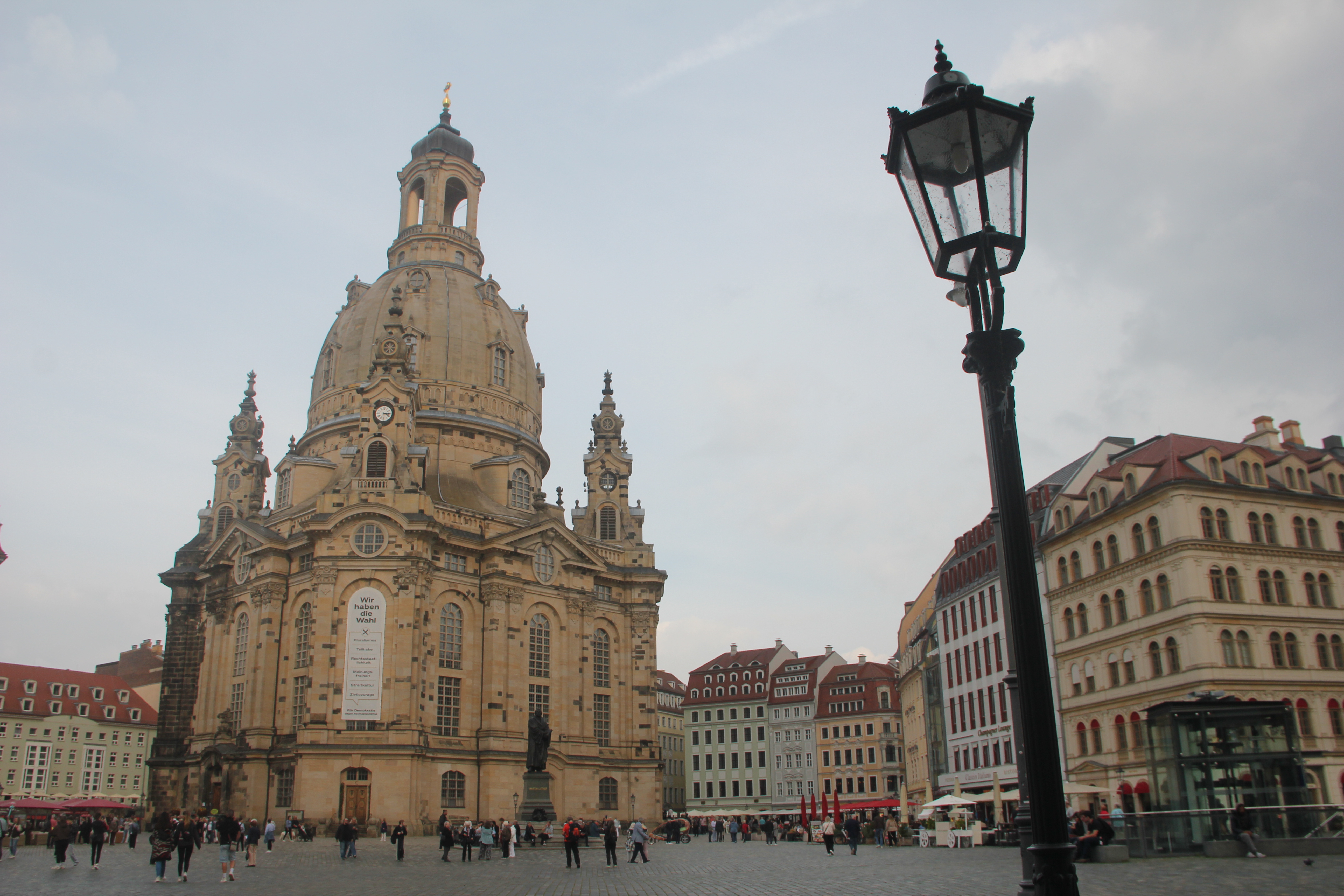
And then the detail that tells you more than any history book. The golden cross on top of the dome was made in Britain, by a goldsmith whose father had been in a bomber crew over Germany.
The son of a bomber crew made the cross for the church the bombs destroyed.
Old stones and new stones, side by side. That is what reconciliation looks like.
February 1945 – The numbers, and the lies about the numbers
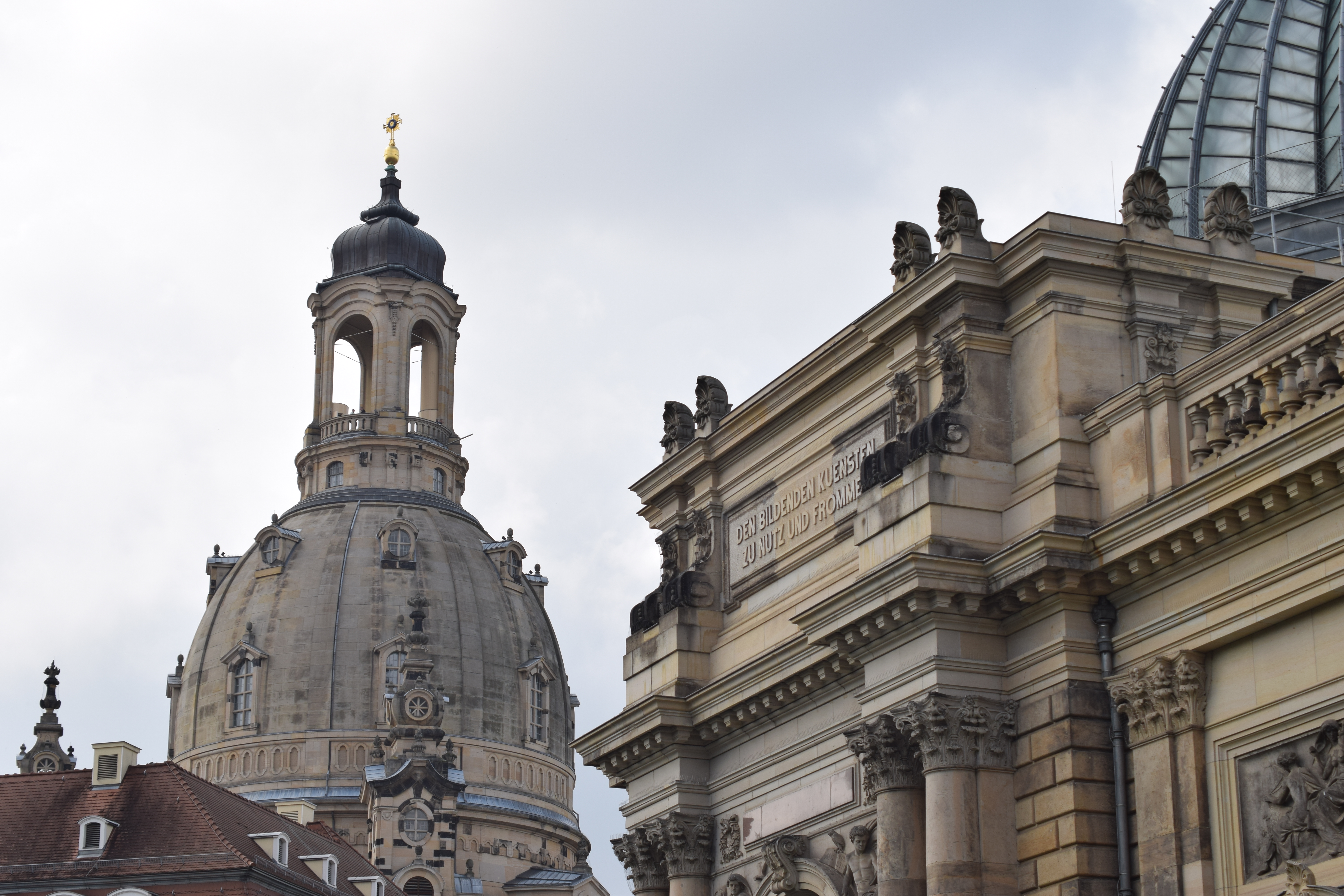
Between 13 and 15 February 1945, British and American bombers attacked Dresden. The old city was flattened. Literally. Much of what you see today around the Frauenkirche was rebuilt after the war.
How many people died? You will find numbers everywhere. Twenty thousand. Two hundred thousand. Three hundred thousand. Some say even more.
In 2010, an independent commission of historians, working for the city of Dresden, went through cemetery records, registry offices and court files. Almost sixty thousand data records. Their conclusion: up to 25,000 dead.
And the huge numbers? Many go back to the Nazi regime itself. The authorities at the time counted around 18,000 to 25,000 victims. The propaganda ministry added a zero. In March 1945, German embassies abroad were told to speak of up to 200,000 dead, to brand the Allies as barbarians.
Goebbels' numbers outlived Goebbels. Some people still use them today, for the same reasons.
I write this because I believe in context, not erasure. In explanation, not whitewashing. That applies to every side.
Twenty-five thousand dead. In two days. Mostly women, children, old people, refugees.
That number does not need to be inflated to be unbearable.
The truth about Dresden is terrible enough. It does not need a single invented zero.
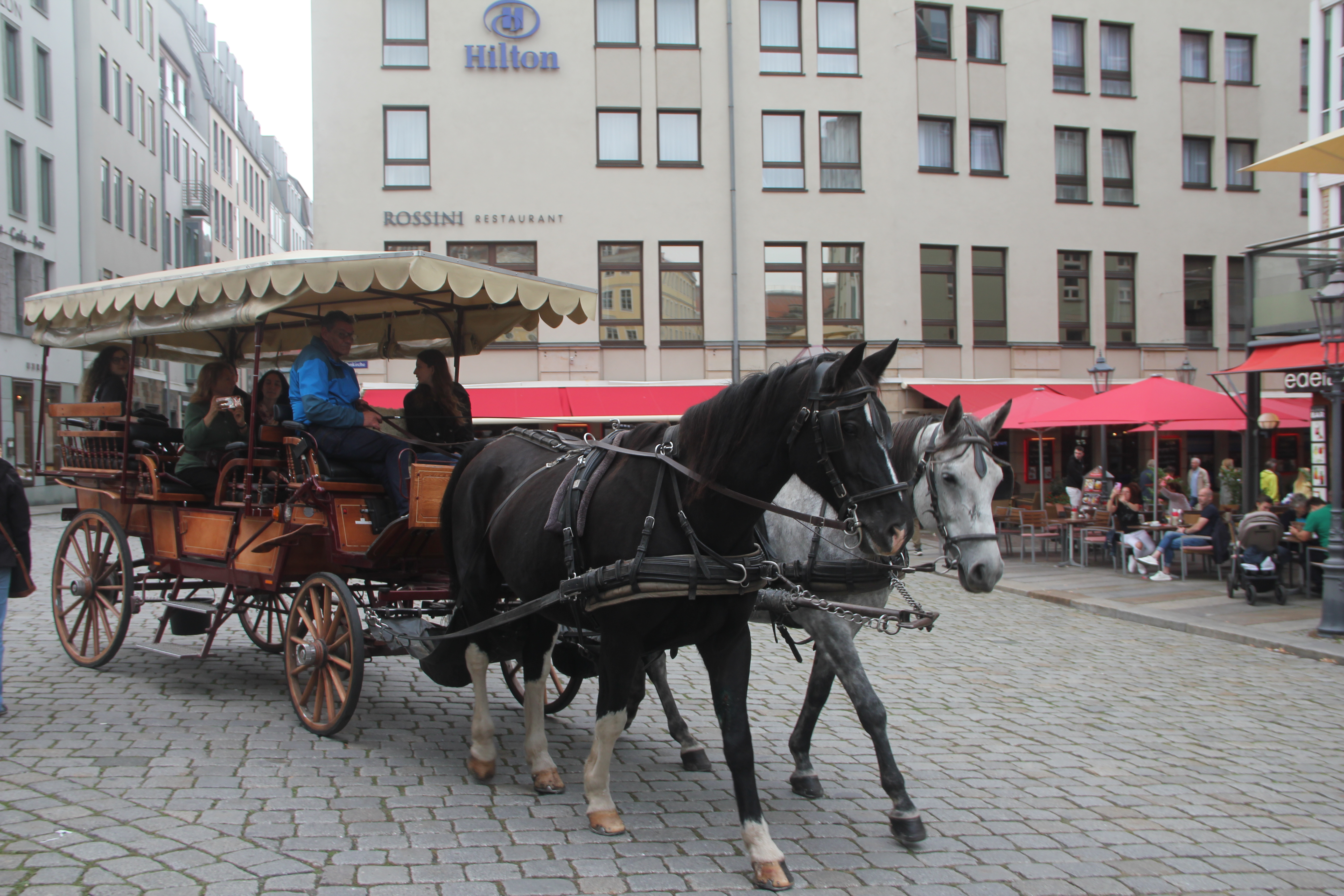
The bridge that fell – And the people who decide
Near my hotel, I found another kind of ruin. Not from the war. From our time.
The Carola Bridge. In September 2024, in the middle of the night, part of it simply collapsed into the Elbe. The last tram had just passed over it. Minutes later, it was gone. Nobody was hurt. Pure luck.
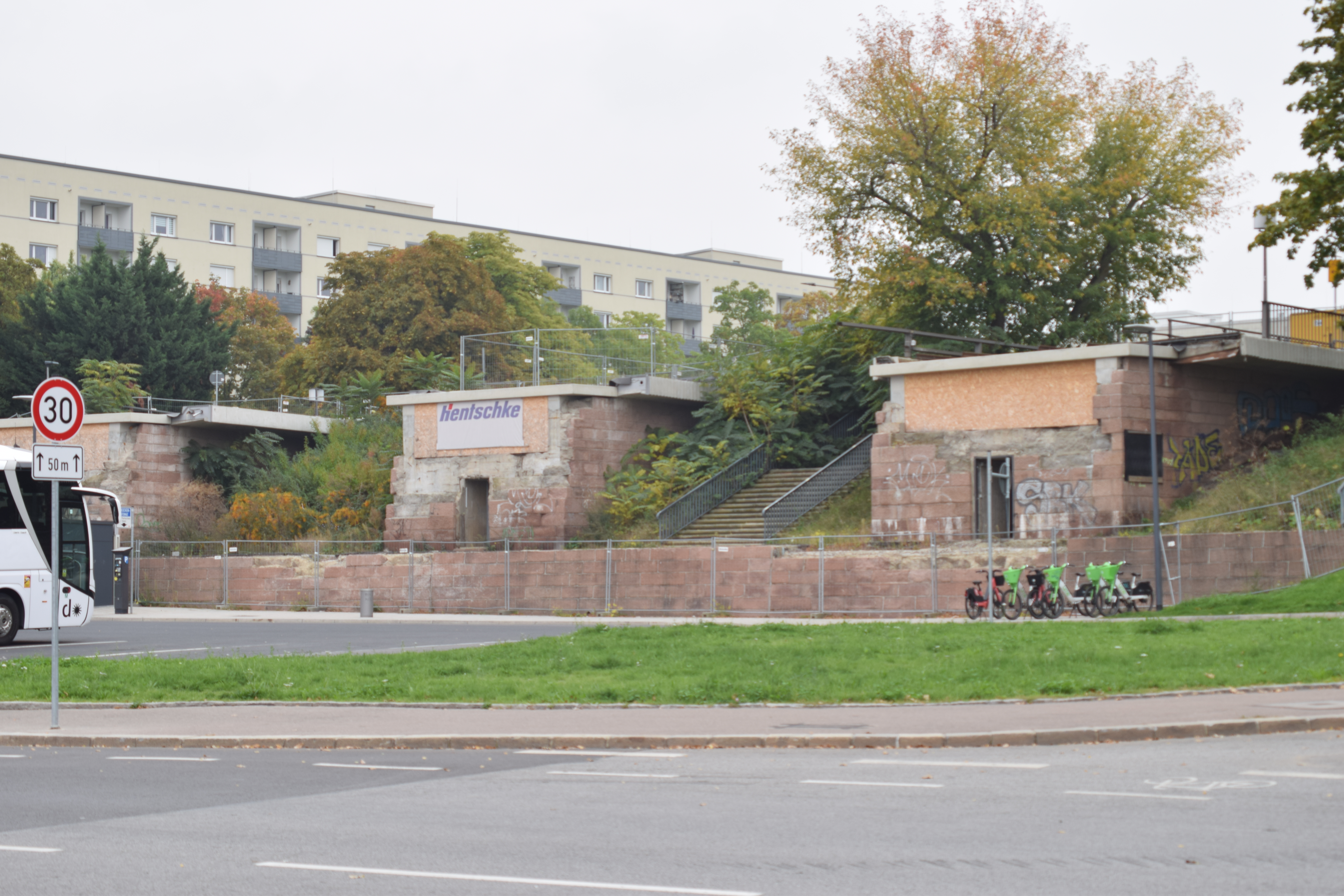
Now a new bridge is being planned. And here is the part I liked: the people of Dresden had their say in how the new bridge will look. Not a decision behind closed doors. A city deciding together what it wants to cross the river on.
Democracy in action. Slow, sometimes annoying, but real.
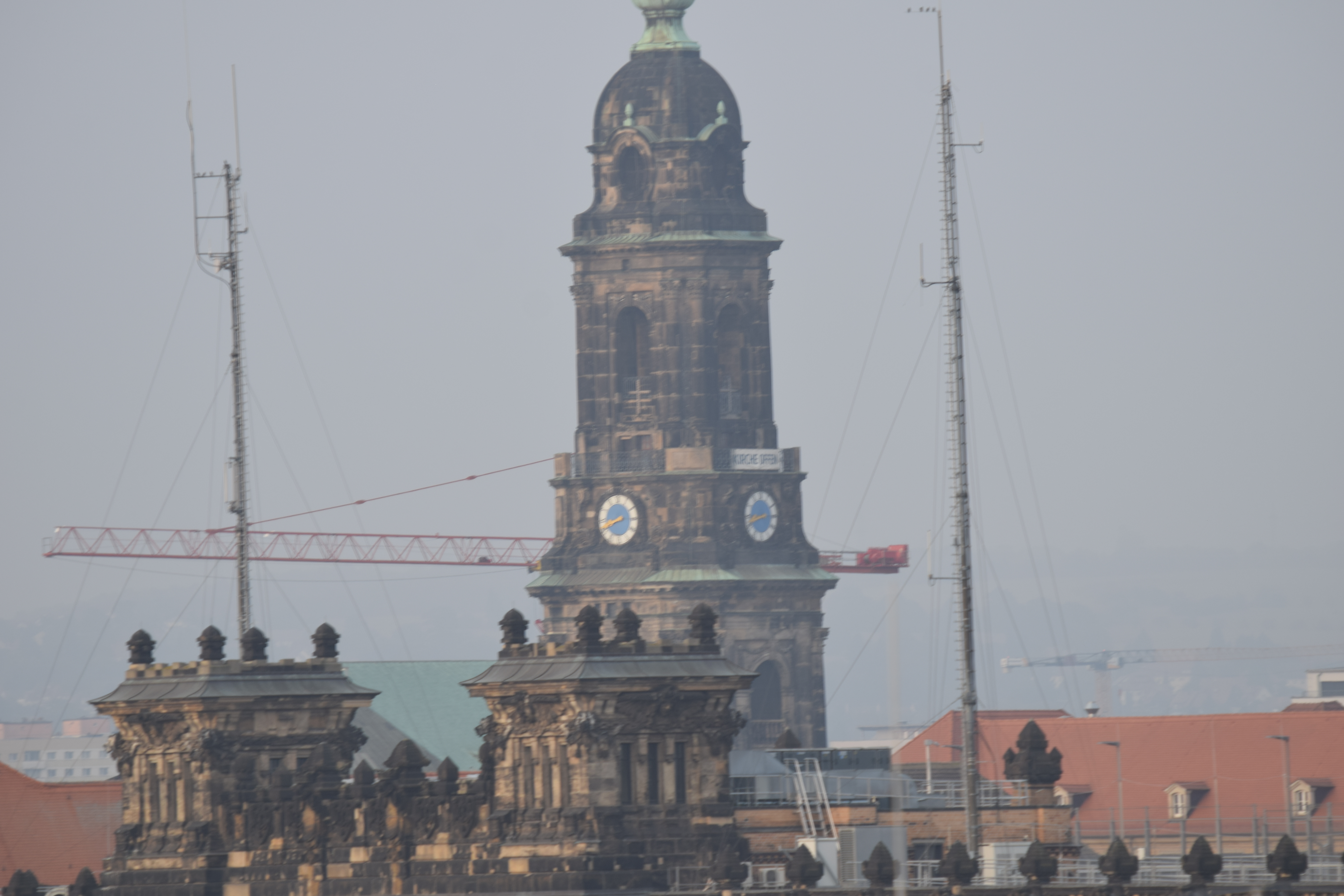
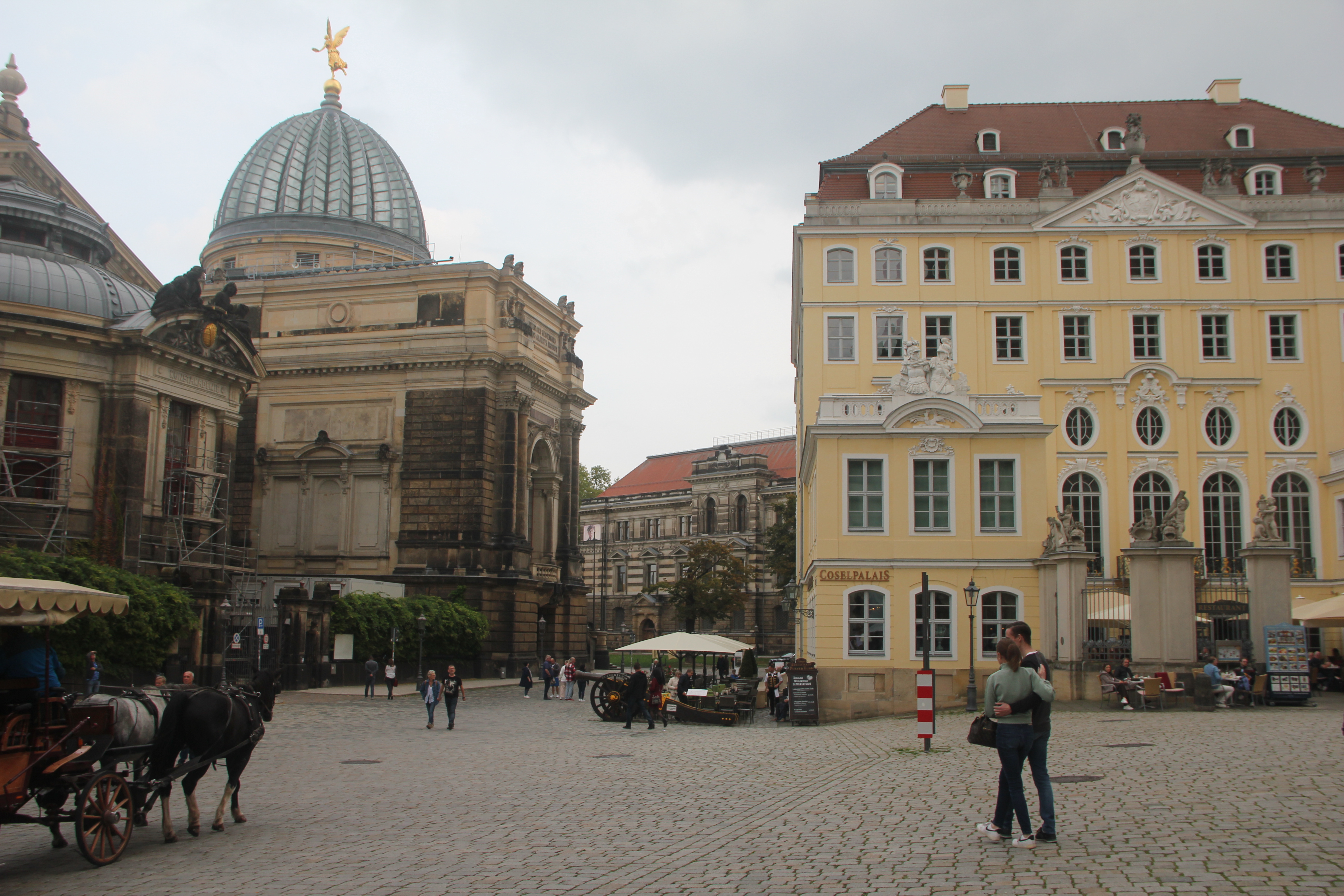
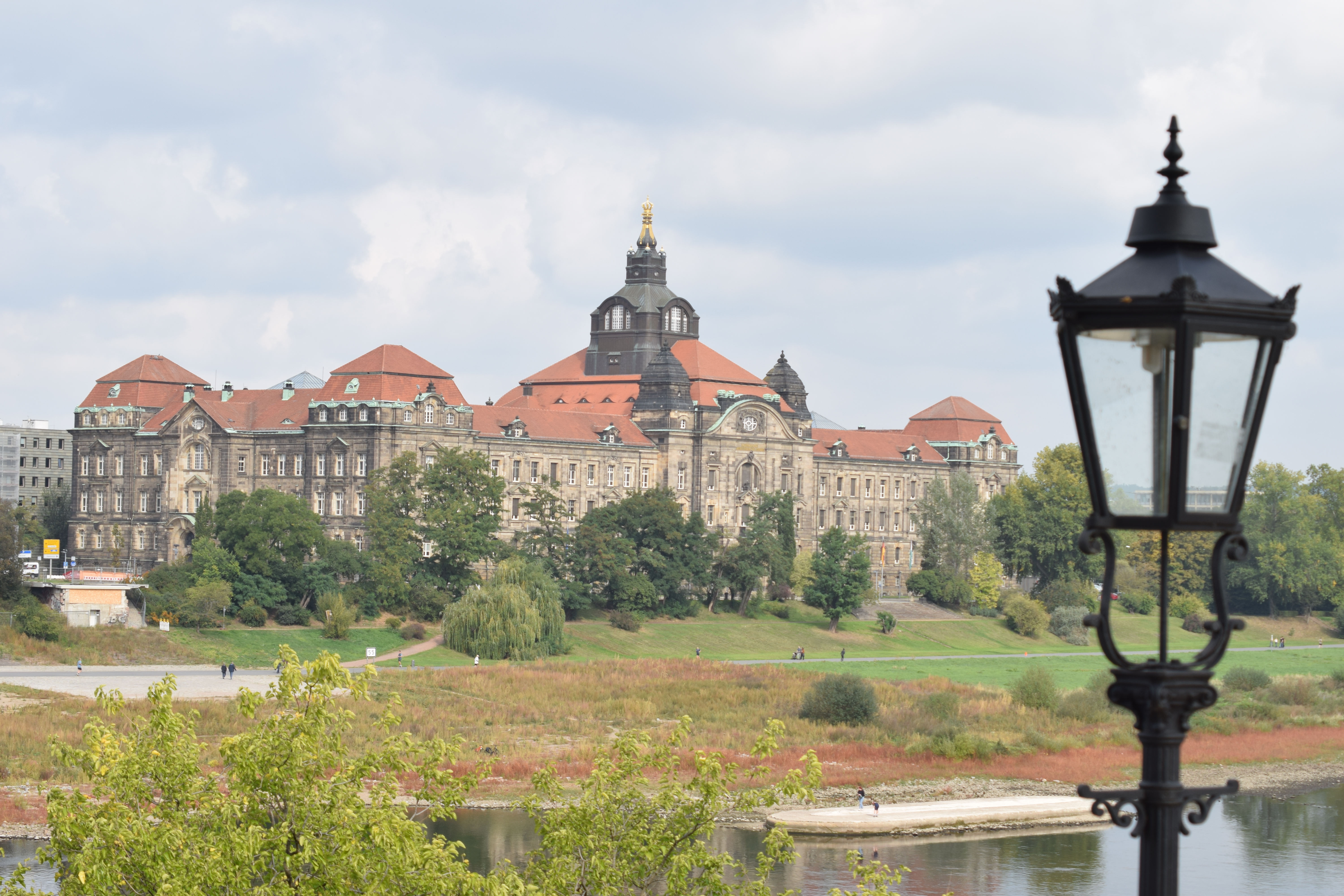
The bridge matters. It linked the two halves of the city. On the other bank stands a large old building, today used by the government of Saxony, one of the reasons why this crossing must come back.
The fortress below – A must, and worth every cent
If you do one thing in Dresden, go underground.
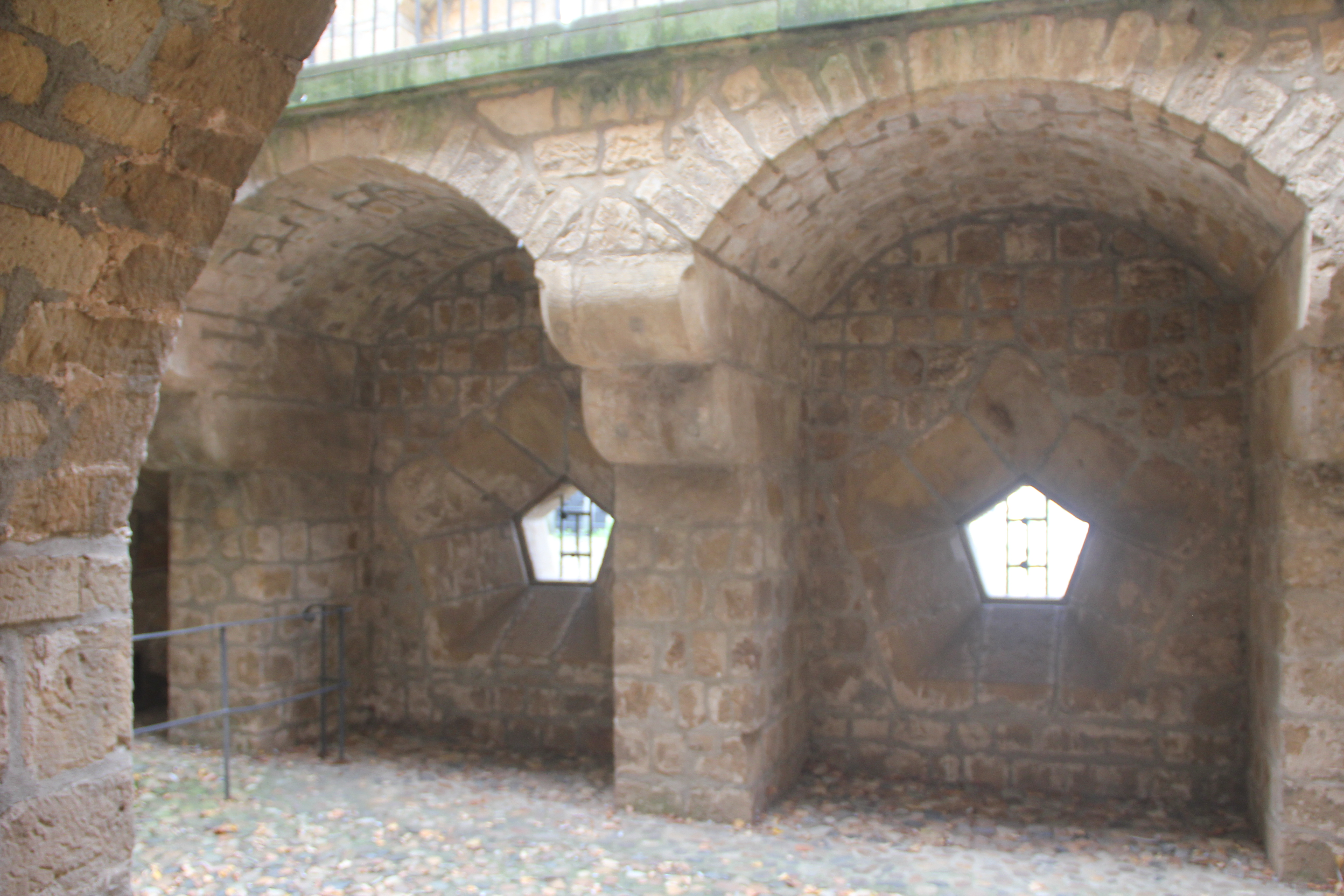
Beneath the Brühl Terrace lie the casemates of the old Dresden fortress. Built from 1546 by Duke Moritz of Saxony, once the most modern fortress in Germany. Today you walk through it with an audio guide, while the history is projected onto the old walls around you.
It will blow your mind.
Moritz himself tells you his story. How he built this fortress. His feasts, his ambitions, his fears, his nightmares. And how he died young, suddenly, of wounds from battle, before he could enjoy what he had built.
Colourful. Emotional. Amazing. This is how history should be told: not behind glass, but around you, in the place where it happened.
- Entry: 12 euros. Worth every cent.
- Time: as long as you take. Do not rush it.
- Access: by lift from the Brühl Terrace, above the Elbe.
And one more thing that tells you about this river. When the Elbe rises very high, these vaults can flood. It has happened before. The same river that was too shallow for the old ship at Bad Schandau can fill a fortress.
Why I thought of Kampala in Dresden
Standing in front of the Frauenkirche, I thought of the Kasubi Tombs in Kampala. The great thatched house of the kings of Buganda burned down in 2010, and it is being rebuilt by hand, the old way, by the clans who have always built it.
Two places. Two continents. The same question: what does it mean to rebuild heritage honestly? Not a copy. Not a theme park. The real thing, built again, by people who care.
The Kasubi Tombs, Kampala: the royal tombs of Buganda
What Dresden taught me
A city can be destroyed in two nights. It takes generations to rebuild it.
A bridge can fall in a minute. It takes a whole city to decide how to build the next one.
And the truth about the past can be bent in a single sentence. It takes years of honest work to straighten it again.
Rebuild the stones. Keep the scars visible. And never inflate the dead.
Dresden rebuilt its churches by hand. Its memory deserves the same care.
More from my travels: The waterfall that runs on schedule: Bad Schandau and the Kirnitzsch Valley tram · A journey through Germany's memory: Peenemünde, Wittenberg, Halle, Berlin
Search my network – plus over 50 African info, tourism and travel sites
All photos (c) Remo Kurka, unedited. Written October 2026.

