
Written by
🐘 Elephant Souls: A Journey Through Ban Ta Klang, Surin
Thailand is a country of vibrant contrasts—ancient temples beside neon-lit streets, quiet rice paddies beyond bustling markets. But nowhere have I felt this duality more deeply than in Ban Ta Klang, the Elephant Village near Surin. As a photographer and traveler, I came seeking images. What I found was a story—etched in skin, soil, and silence—of elephants and the people who live with them.
Part I: Where Elephants Sleep Beneath the Same Roof
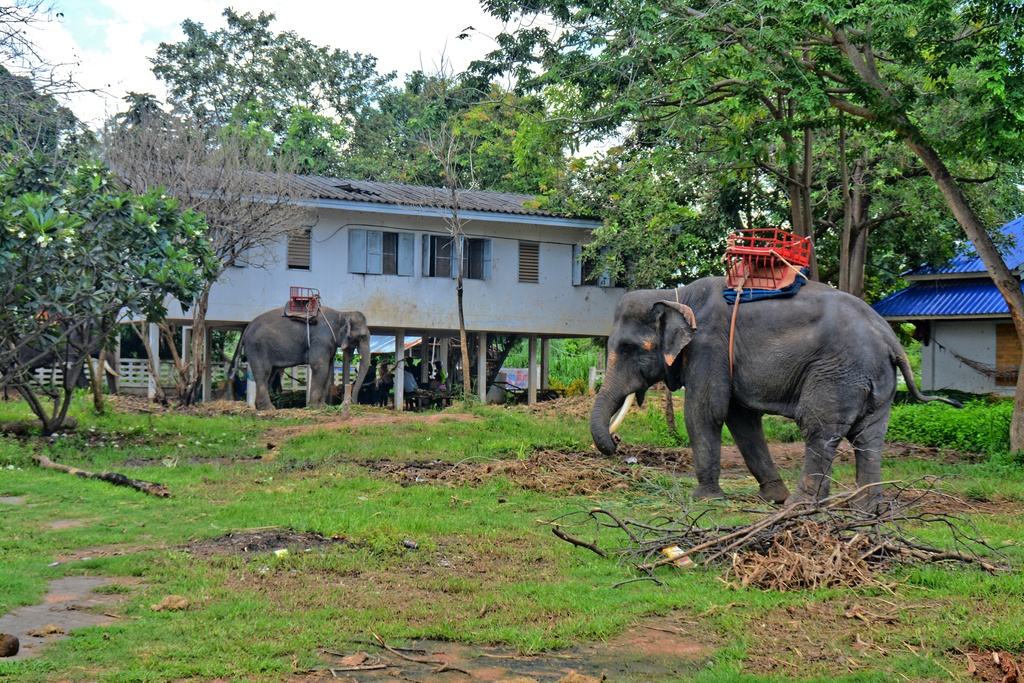
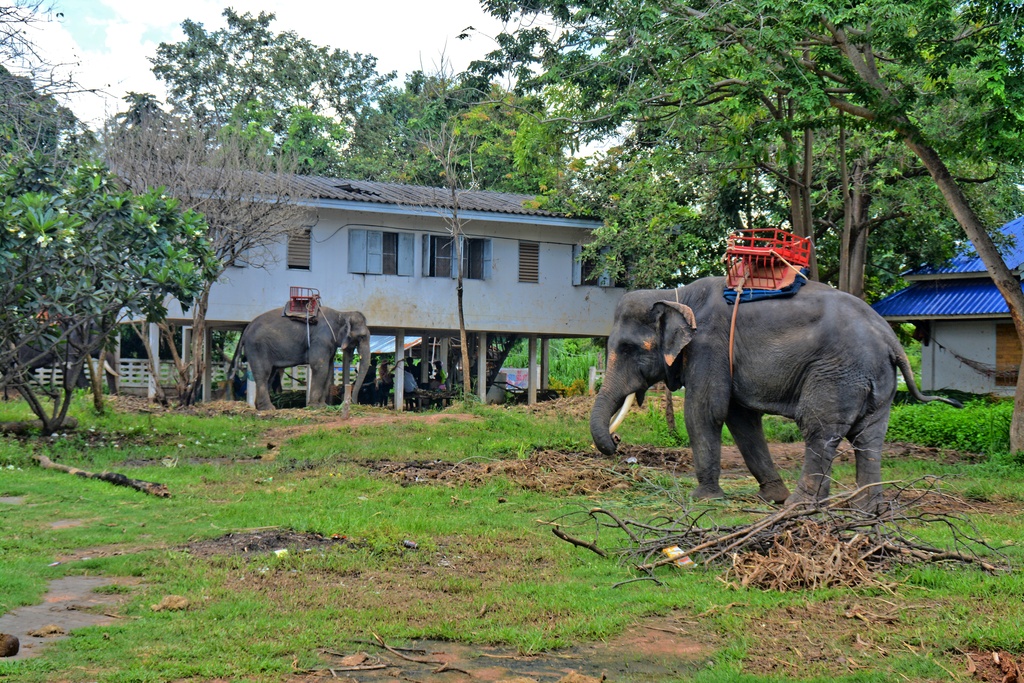
Ban Ta Klang is not a zoo. It’s not a sanctuary in the Western sense. It’s a village where elephants are family. The Suai (or Kui) people have lived with elephants for centuries, raising them like children, sleeping beside them, sharing meals and memories. My lens caught glimpses of this intimacy: a mahout gently brushing his elephant’s ear, a child feeding bananas to a tusked giant, the quiet rhythm of coexistence.
The elephants here are not wild, but they are not tamed in the way tourists might expect. They are respected, spoken to, and mourned when they pass. The bond is spiritual, ancestral. And it’s visible in every wrinkle of their skin and every calloused hand that touches it.
“ In Ban Ta Klang, elephants aren’t trained—they’re trusted. And trust leaves deeper footprints than chains ever could. ”
Part II: The Showground and the Daily Pulse
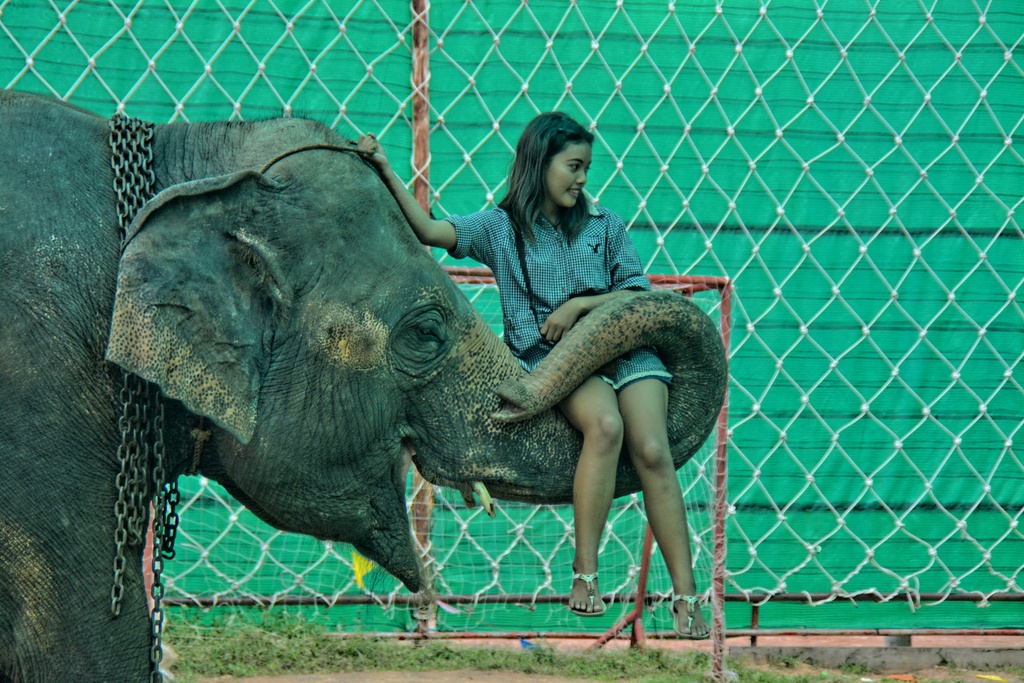
During my visit, the showground was the heart of activity. It’s where elephants perform, interact with visitors, and demonstrate traditional skills passed down through generations. I watched as mahouts guided their elephants through slow, deliberate movements—lifting logs, kneeling, even painting. Some moments felt ceremonial, others theatrical.
As a photographer, I was torn. The beauty of the elephants was undeniable, but so was the weight of expectation. Tourists clapped, cameras clicked, and I wondered how much of this was tradition—and how much was performance. Still, there was grace in the way mahouts moved, in the quiet communication between man and elephant. It’s a relationship built on trust, not dominance.(Watch below time-lapse short video)
Part III: Between Reverence and Revenue
Ban Ta Klang is a crossroads. Tour buses arrive daily. Tourists ride elephants, watch shows, snap selfies. And here, the contrast becomes painful. I saw elephants chained for hours, performing tricks, standing in the heat. I photographed it—not to shame, but to witness.
This is the tension: tradition versus tourism, reverence versus revenue. The village survives on elephant tourism, but the cost is visible. Some initiatives, like the Surin Project, aim to offer more ethical experiences—walking with elephants, bathing them, feeding them with care. These quieter moments feel more honest, more human.
Part IV: Through My Lens
As a photographer, I’m drawn to moments of truth. A mahout whispering to his elephant. A young girl walking beside a calf. An old man watching the parade of tourists with unreadable eyes. These are the images I carry home—not just pixels, but stories.
Ban Ta Klang is not perfect. But it is real. It is layered. It is alive. And in its elephants, I saw not just animals, but souls.
Looking Ahead: The Surin Elephant Festival
I haven’t yet attended the Surin Elephant Festival, but I plan to. It’s held annually in November and brings together hundreds of elephants in a celebration of heritage, strength, and community. I’ve seen glimpses—photos, stories, echoes—and I know it will be a powerful experience. Not just for the spectacle, but for the chance to witness tradition in motion.
The White Elephant and the Birth of Surin
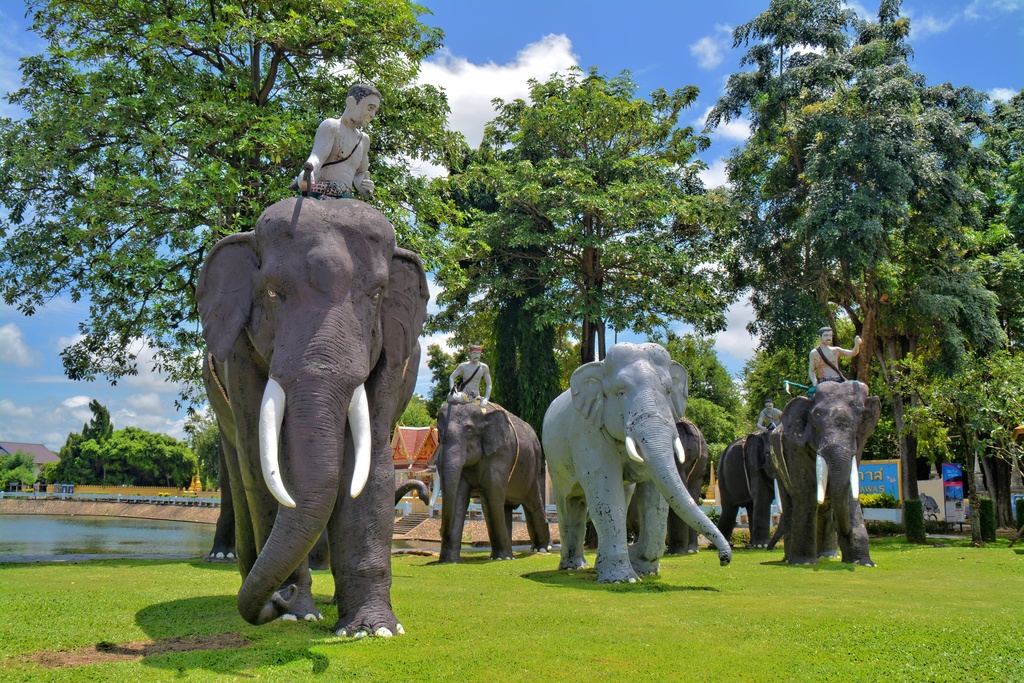
In the heart of Surin stands a striking monument: statues of elephants encircling a majestic white elephant at the center. This tribute honors Luang Surin Phakdi (Chiangpum), a legendary leader of the Kui (Suai) people who lived over 200 years ago. In the 18th century, he presented a rare white elephant to the king—a gesture of immense cultural and symbolic value. In recognition, he was given the name Surin and appointed governor of a newly established town, which was named in his honor. This moment marks the historical founding of Surin province, forever linking its identity to elephants and the people who have lived alongside them for generations.
Reflections:
Elephants remember.
So do the people who live with them.
And so must we.
Ban Ta Klang is a place of memory, of tension, of beauty. It asks questions that cannot be answered in a single visit. But through my lens, I’ve tried to honor what I saw: a village where elephants are not entertainment, but kin.
Beyond the Village: Temples That Whisper Time
Just a short drive from Ban Ta Klang lies one of Thailand’s hidden treasures: a breathtaking temple complex that feels like stepping into another century. Ancient stone carvings, towering prangs, and 100s if not 1000s of bells tell stories older than the elephant traditions themselves. The atmosphere is serene, almost mystical—perfect for quiet reflection or capturing timeless images through the lens.
This temple area is a must-see for anyone drawn to history, architecture, or spiritual depth. I’ll be sharing a full blog post about it soon, with photos that reveal its soul. If Ban Ta Klang shows the bond between humans and elephants, these temples show the bond between humans and eternity.
Living Green Elephant Sanctuary Experience near Bangkok & Pattaya
Elephant ExperienceSurin Elephant Festival: What to Expect
Held annually in November, the Surin Elephant Festival is one of Thailand’s most spectacular cultural events. It celebrates the deep bond between the Kui people and their elephants, blending tradition, pageantry, and community pride. (Accommodation should be booked in advance! Example Tong-Tarin Hotel, city centre. Nearby is another good hotel. Reasonably priced. between 30 to 60 US-dollars/night for a double room, including breakfast, swimming pool)
Here’s a general planner of what to expect:
Day 1: Elephant Welcome Parade Hundreds of elephants march through Surin town, adorned in ceremonial attire. Mahouts ride proudly, and locals line the streets with offerings and cheers.
Day 2: Elephant Showground Events At the main stadium, elephants demonstrate traditional skills—log lifting, tug-of-war, football, and reenactments of historical battles. The choreography is grand, and the atmosphere electric.
Cultural Performances & Exhibitions Throughout the festival, visitors can enjoy traditional music, dance, and crafts. Local food stalls offer regional delicacies, and exhibitions showcase Kui heritage and elephant care practices.
Ethical Tourism Initiatives Some programs offer more intimate experiences—walking with elephants, feeding them, and learning about their role in Kui society. These quieter moments contrast with the spectacle and offer deeper insight.
Final Day: Farewell Ceremony A closing ritual honors the elephants and their caretakers, often with blessings and symbolic gestures of gratitude.
* Updated 10th September 2026
Listen to Thailand Radio (Free)
