
Written by
Nature as a teacher – How to learn from our surroundings
In a world that often feels chaotic, nature offers a quiet place to reconnect and find clarity. Whether it's the way a river carves through rock, how plants adapt to their environment, or the steady rise and fall of the tides, nature provides valuable insights that can help guide us in our own lives.
Patience in Growth: Lessons from Plants
Plants are some of the most patient teachers in nature. Watch a seed sprout, slowly push its way through the soil, and eventually blossom into a full-grown plant. The journey from seed to bloom takes time, and there are no shortcuts. Similarly, our own growth—whether personal, professional, or creative—requires patience. Just like a plant that stretches towards the sun, we, too, must trust the process and allow time for development.
The resilience of plants also teaches us about adapting to difficult situations. When a plant faces harsh conditions—whether it's drought, cold, or poor soil—it finds a way to survive and grow. This adaptability is something we can apply to our own lives when facing challenges, reminding us to be flexible and resourceful in difficult times.
Resilience in the Face of Adversity: Lessons from Cliffs
Cliffs and mountains are perfect representations of resilience. These mighty natural formations have endured the forces of time, wind, and erosion. Despite the constant battering, cliffs remain standing—each layer telling a story of endurance, strength, and the passage of time.
From cliffs, we can learn the importance of holding our ground, even when faced with difficult situations. Like the cliffs, we can weather storms and endure the tough moments of life, knowing that the passage of time will only make us stronger.
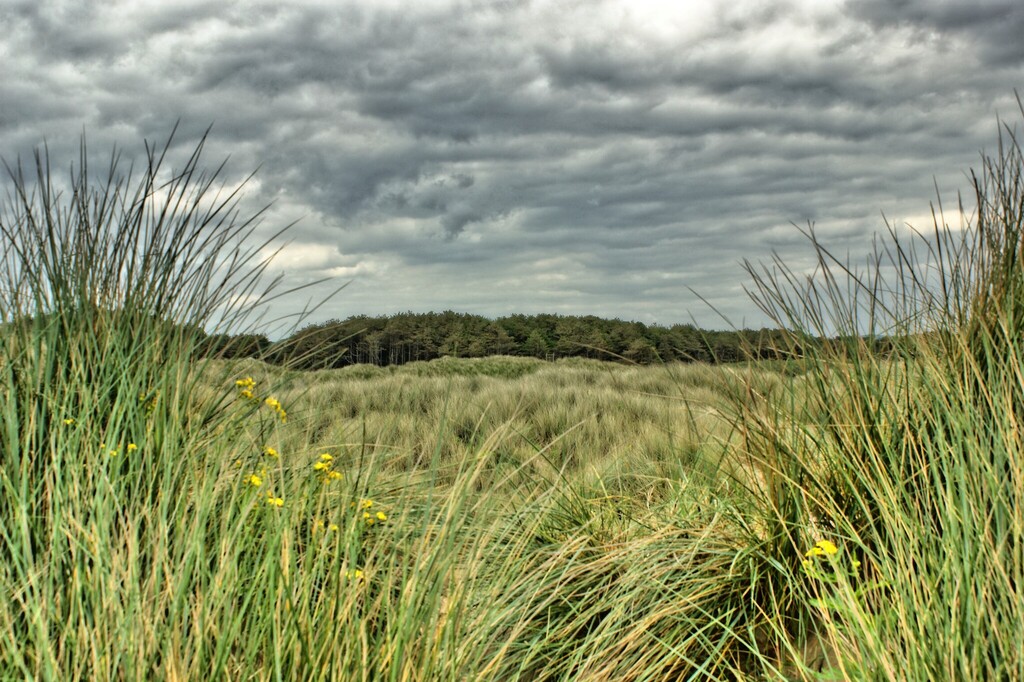
Plants are some of the most patient teachers in nature.
“ Nature is the art of God, where every leaf, every mountain, and every star sings His glory, revealing His infinite beauty and wisdom. ”
The Interconnections of All Things
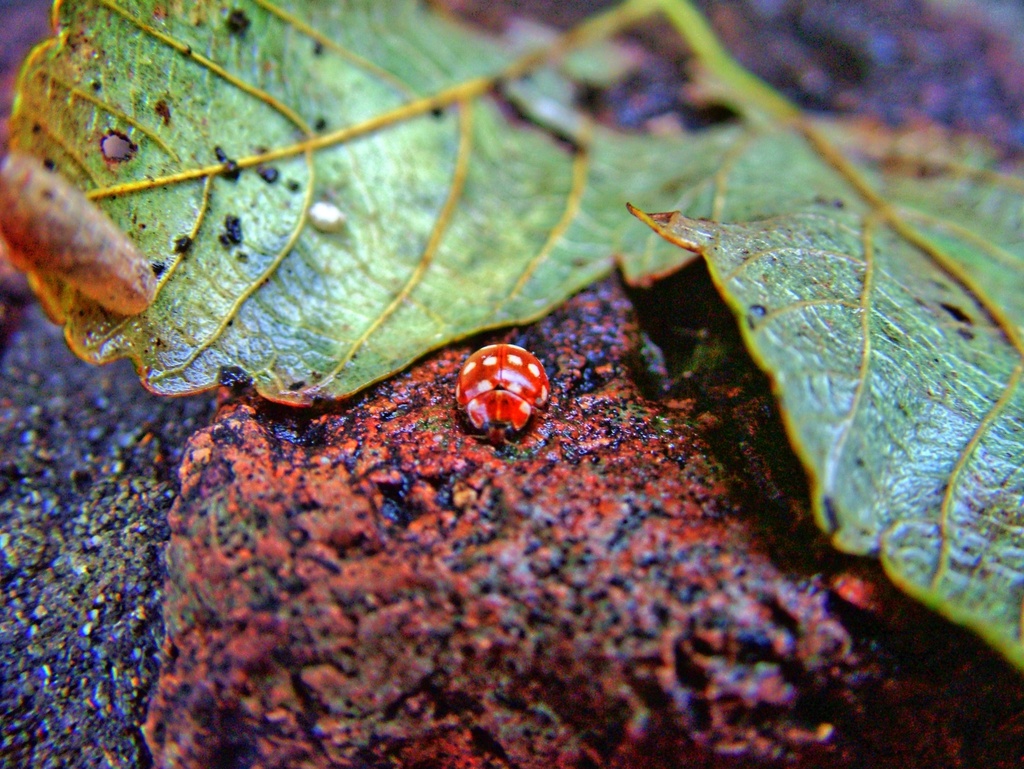
In a forest, the trees, plants, animals, and even fungi play a role in sustaining each other.
One of the most profound lessons that nature teaches is the interconnection of all living things. In a forest, the trees, plants, animals, and even fungi play a role in sustaining each other. The delicate balance of ecosystems highlights the importance of collaboration and respect for one another. Whether it’s the bees pollinating flowers or the birds spreading seeds, every action in nature impacts something else.
This teaches us the value of community and the importance of contributing to the greater good. In life, we are all interconnected, and our actions—small or large—have ripple effects that can shape the world around us.
Capturing Nature’s Beauty: Photography as a Window to the World
One of the most powerful ways we can appreciate and learn from nature is through photography. It allows us to pause and capture fleeting moments, helping us to connect more deeply with our surroundings. Here are some tips on how to photograph stunning views of cliffs, plants, and more:
1. Golden Hour: The Magic of Early Morning or Late Afternoon Light
Nature’s beauty often shines brightest during the golden hour—the hour just after sunrise and just before sunset. The soft, warm light at this time of day casts a golden glow over landscapes, turning ordinary scenes into extraordinary photographs. Whether you're shooting cliffs that seem to glow in the warm light or capturing the delicate details of plants, the golden hour offers the perfect lighting to enhance textures and colors.
2. Use the Rule of Thirds
When photographing cliffs, landscapes, or plants, the rule of thirds can help create more dynamic and visually appealing compositions. Imagine dividing your frame into nine equal parts by two horizontal and two vertical lines. Place your subject (such as a cliff or a cluster of flowers) along these lines or at their intersections for a more balanced and engaging photograph. This technique helps guide the viewer’s eye across the image.
3. Focus on Details: Close-Ups of Plants and Flora
Sometimes, it’s the little things that tell the most beautiful stories. Capture the intricate details of plants, flowers, or leaves up close. Focus on texture—the veins of a leaf, the dew on petals, or the unique patterns in bark. Macro photography can reveal the hidden beauty in nature that we often overlook in our daily lives.
4. Include the Sky for Context
When photographing cliffs or sweeping landscapes, don’t forget to include the sky. A dramatic sky can add context and depth to your photo. Whether it’s a bright blue sky with fluffy clouds or a moody, stormy horizon, the sky will add atmosphere and highlight the majesty of the landscape. Look for moments when the sky is reflecting interesting colors, such as during sunset or after a rainstorm.
5. Shoot From Different Angles
Try experimenting with different perspectives. Sometimes a simple change in angle can make all the difference in a photograph. For cliffs, shoot from below to give them a towering, imposing feel, or capture them from above for a wider, more expansive view. For plants, consider shooting from the side to highlight their silhouette, or use a low angle to emphasize their height and presence.
6. Capture the Seasons
Nature is constantly changing, and each season brings new opportunities for beautiful photography. In the spring, wildflowers and fresh leaves create a burst of color. In the fall, vibrant foliage offers a stunning backdrop. Winter brings a sense of quiet serenity, with snow-capped cliffs or bare trees against a cold sky. By capturing these seasonal changes, you can document the passage of time in nature, just as nature teaches us the importance of time and cycles.
Nature is one of the greatest teachers we have—its beauty, its rhythms, and its resilience offer us valuable lessons every day. By observing and learning from the natural world, we can grow as individuals, cultivating patience, strength, and interconnections in our own lives.
And through the lens of a camera, we can freeze those lessons in time. Photography allows us to capture the stunning beauty of cliffs, plants, and landscapes, helping us to appreciate nature’s intricate details and powerful messages. Every photograph is not just a picture but a reminder to look closely, learn deeply, and find meaning in the world around us.
So, next time you're out in nature, take a moment to pause, reflect, and listen. And then, with your camera in hand, capture the story that nature has to tell.

