
Written by
Oranienburg — A Return to a Place That Somehow Never Moved
I went back to Oranienburg after a few years. Not for sightseeing. Not for nostalgia. Just to check on someone who once mattered in my life — an old teacher, a good man, one of the rare ones who leave a mark without trying.
He wasn’t there anymore. He passed away in February 2024, well over ninety.
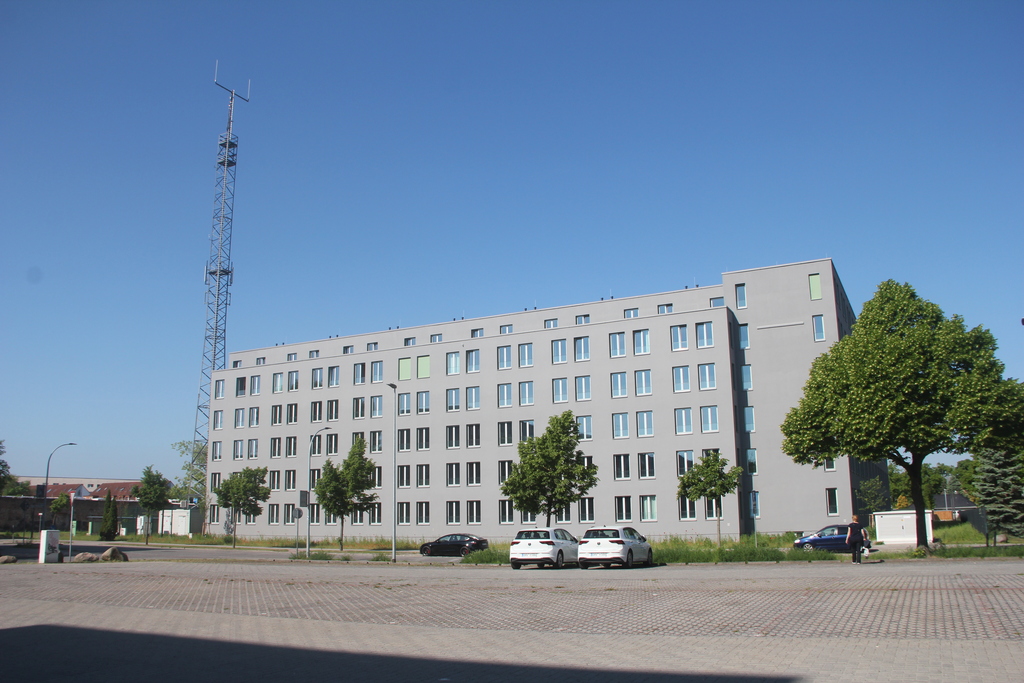
Former East German Central Police Station. Now a Federal German Police Station. From slight Yellow to Grey. - All photos (c) Remo Kurka
“Oranienburg hasn’t changed much.”
Or maybe it has — just not in the ways that matter.
A long life, a full life, and still… the news hit me in that quiet, delayed way that only happens when you realise time has been moving even when you weren’t looking.
Maybe that’s why the whole visit felt like walking through a memory that refused to update itself.
Oranienburg hasn’t changed much. Or maybe it has — just not in the ways that matter.
The “Schloss” is still beautiful from the outside, but now they charge entrance fees for the park. Since 2009, apparently. A strange feeling, paying to walk where you once walked freely. It’s like putting a price tag on air. Disappointing, but not surprising.
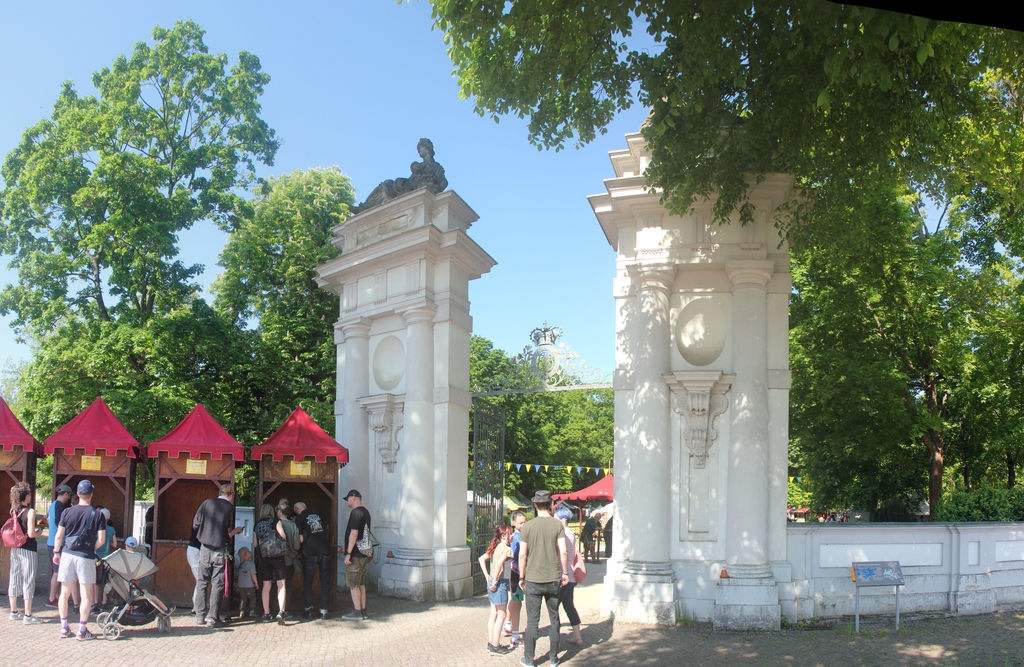
The “Schloss” "Park" is still beautiful from the outside, but now they charge entrance fees for the park. (c) Remo Kurka
Grey on grey. A masterpiece of creativity.
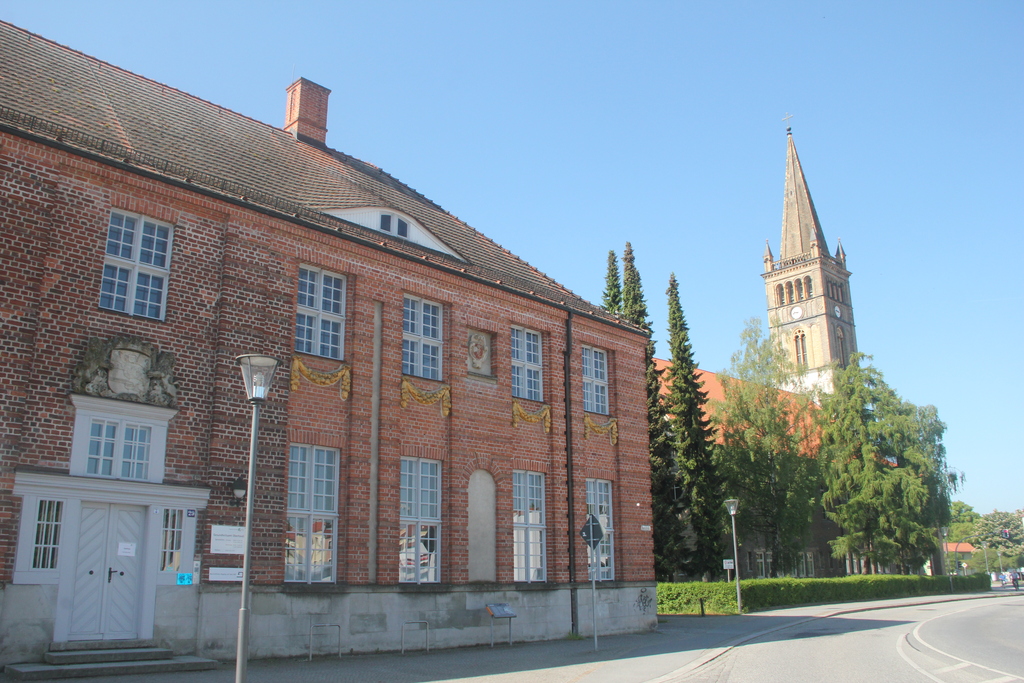
The town itself… well. Quiet. Still. Almost frozen in time.
Houses freshly painted, but nothing truly renewed. A railway station still missing a roof on the third platform — after decades. Streets that feel like they’re waiting for something that never arrives.
I walked through town like a lost soul, not because I was sad, but because the place carries a kind of emptiness that seeps into you if you stay too long. A stagnation you can feel in your bones.
Even the old East German central police building — now, of course, German police — looks like someone tried to modernise the past by painting it grey. Grey on grey. A masterpiece of creativity.
Sometimes you need to step into a completely different life to understand your own path better.
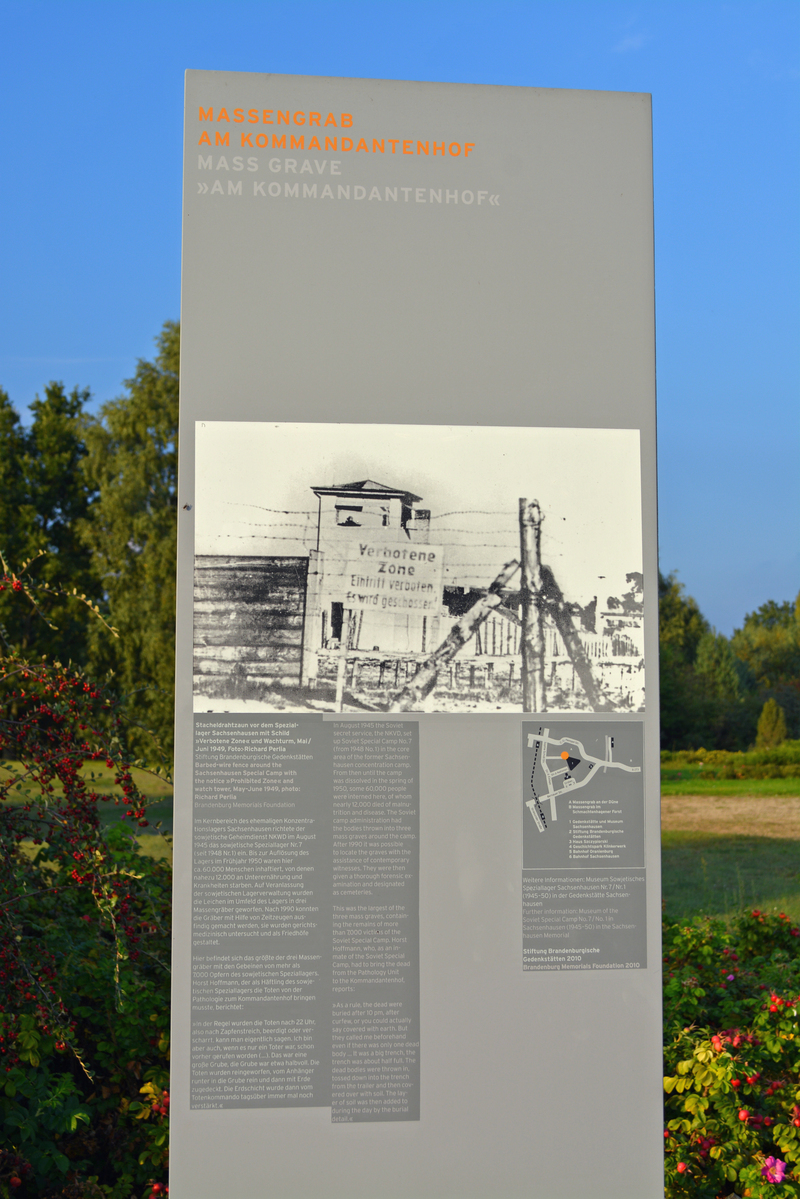
Memorial: Sachsenhausen-Orainienburg, Mass Grave by the NKWD (c) Remo Kurka
And then there is the heavy shadow that Oranienburg can never escape: the former concentration camp. A place of suffering under the Nazis, and later, until 1952, a place of suffering under the Soviet NKVD.
Different uniforms, different ideologies — same human tragedy. For the dead, the labels don’t matter. Loss is loss. Pain is pain. History doesn’t heal just because decades pass.
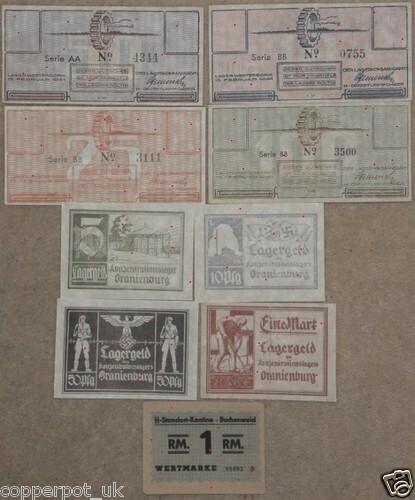
Concentration-camp Sachsenhausen, money
Mass graves were found beside the camp — thousands of victims. Numbers that are impossible to truly understand, no matter how often you read them.
Walking there, you feel the weight of it all. A town carrying more history than life.
Would I visit Oranienburg again? Honestly… no. Not really.
It’s a place you pass through, take a few photos of the palace if you like mansions and castles, and then move on to somewhere with more light, more movement, more soul.
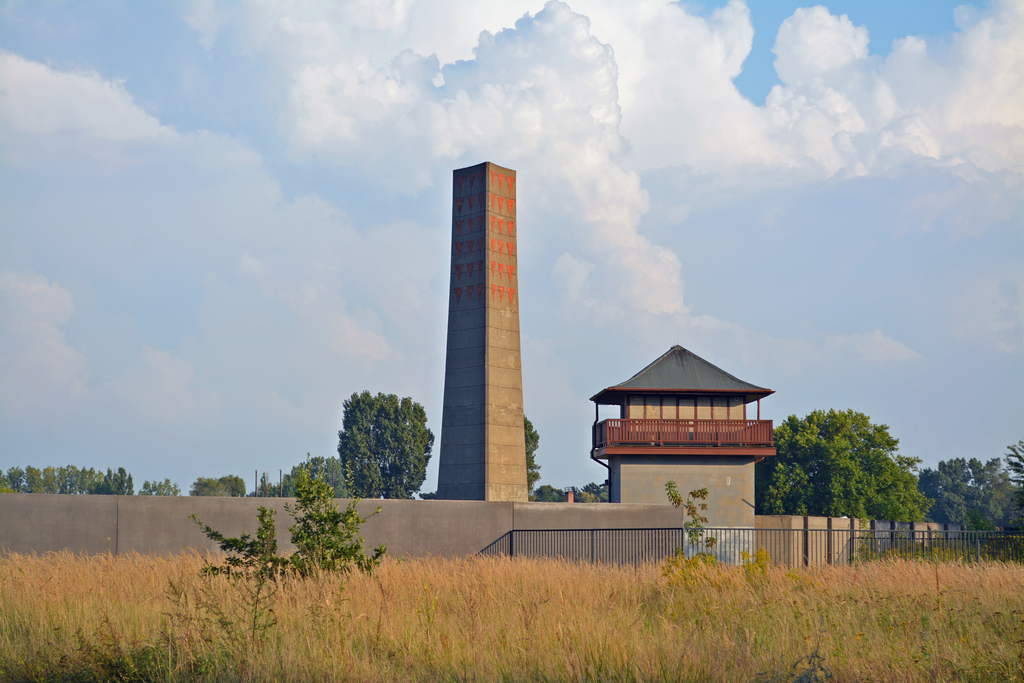
Sachsenhausen - Former concentration camp, Oranienburg. Watchtower, Wall and centered memorial, Germany (c) Remo Kurka
Oranienburg is a town that seems to have stopped breathing. And maybe that’s why my old teacher stayed in my mind the whole day — he was one of the few things connected to this place that felt alive.
Sometimes you revisit a town to understand how much you’ve changed. And sometimes you revisit a town to realise it hasn’t changed at all.
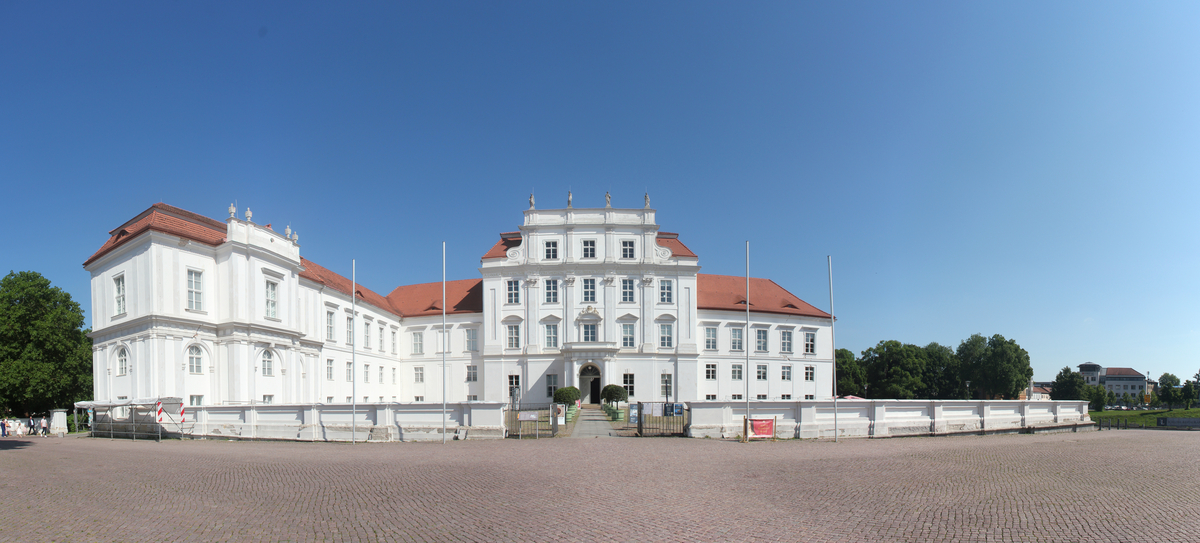
Schloss Oranienburg: Today, it houses a museum that feels more like an echo than an experience. A few exhibitions, a few objects, a lot of empty space. A shell of what it once was, and not quite sure what it wants to be. (c) Remo Kurka
A Short History of Oranienburg and Its Schloss
Continue ReadingOranienburg is a place where history has layered itself like old paint — thick, uneven, and not always beautiful. The Schloss, today presented as a cultural landmark, has lived many different lives, none of them particularly glamorous once you look behind the façade.
Originally built as a baroque residence for Louise Henriette of Orange‑Nassau, the palace was meant to symbolise elegance and power. But time had other plans. After the royal era faded, the building drifted into more practical — and far less noble — uses. By the early 20th century, parts of the complex were repurposed for industrial activities, including chemical production. The grandeur of the mansion slowly dissolved into the smell of solvents and factory dust.
After 1945, the Schloss entered yet another chapter. By 1949, the newly formed East German state took over, and the building became a by end 1950 a facility for the Grenztruppen, the East German Border Troops. The baroque halls that once hosted nobility now echoed with the routines of a military administration. Beauty turned into bureaucracy.
When the Wall fell, the building was emptied again — physically and emotionally. Today, it houses a museum that feels more like an echo than an experience. A few exhibitions, a few objects, a lot of empty space. A shell of what it once was, and not quite sure what it wants to be.
Much like the town around it, the Schloss carries the weight of its past but struggles to find a meaningful present. You can walk through it, take a few photos, appreciate the architecture — but the soul of the place seems to have slipped away somewhere between the centuries.

